

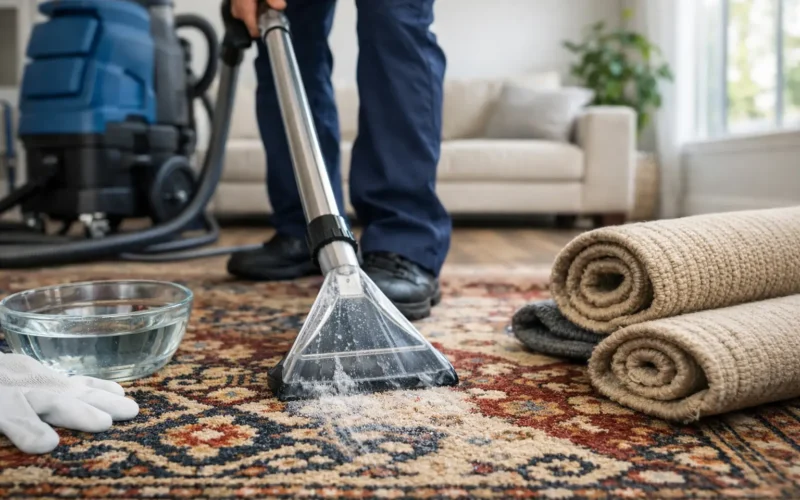
A light-coloured rug can look clean on the surface while holding fine sand, pet hair, food residue and airborne dust deep between its fibres. In busy Sydney homes, especially those close to beaches, parks and high-traffic streets, that build-up happens faster than many people expect. Professional eastern suburbs rug cleaning is about more than improving appearance. It helps remove the soil that gradually dulls colour, flattens pile and affects the comfort and hygiene of the rooms where your family spends time.
Rugs are often among the hardest-working furnishings in a home. They sit beneath dining tables, in entryways, beside beds and in living areas where shoes, pets and daily life leave their mark. Unlike fitted carpet, they also vary widely in fibre, dye stability, construction and backing. That is why a one-size-fits-all cleaning approach can create problems instead of solving them.
Why rugs need specialist attention
Regular vacuuming is essential, but it cannot remove all the grit that settles at the base of a rug. Tiny abrasive particles work their way into the pile as people walk over the surface. Over time, they can wear fibres down and leave traffic areas looking dull or uneven.
Spills add another challenge. Coffee, red wine, pet accidents and food oils can all penetrate beyond the visible surface. A quick blot with a clean white cloth can limit the damage, but rubbing often pushes the stain deeper and can distort the pile. Household spot cleaners may also leave a residue that attracts more soil or cause colour change on sensitive fibres.
Professional cleaning begins with assessing the rug rather than applying a standard treatment immediately. The fibre type, construction, condition, stains and colourfastness all influence the safest cleaning method. A synthetic hallway rug may respond well to a different process than a handwoven wool piece, a viscose rug or a delicate silk-blend rug.
Eastern suburbs rug cleaning for different fibres
The right process depends on what the rug is made from and how it has been used. This matters because fibres react differently to moisture, heat, agitation and cleaning solutions.
Wool rugs
Wool is naturally resilient and comfortable underfoot, but it needs considered care. Excessive moisture, harsh products or poor drying can affect its shape and texture. Wool can also hold fine soil surprisingly well, so the cleaning process needs to release embedded debris without overworking the fibres.
Synthetic rugs
Polypropylene, polyester and nylon rugs are common in family homes, rental properties and commercial spaces. They are generally durable, though oil-based marks and high-traffic soiling can still require targeted treatment. The right equipment and solution selection can lift built-up soil while helping the rug retain its finish.
Delicate and natural-fibre rugs
Viscose, silk, jute, sisal and some cotton rugs need extra caution. These materials may be vulnerable to browning, colour bleeding, texture changes or shrinkage if treated incorrectly. In some cases, the safest option is a specialised low-moisture process or a method tailored to the rug’s particular condition. It depends on the fibre, dyes, backing and previous cleaning history.
What a professional rug clean should involve
A high-standard service is built on preparation and judgement, not just machinery. Before cleaning begins, trained technicians should inspect the rug for stains, wear, loose edges, backing concerns and potential dye issues. This helps set realistic expectations and guides the cleaning plan.
Dry soil removal is a key step. Loose grit and dust need to be addressed before wet cleaning, otherwise moisture can turn dry particles into muddy residue within the pile. Stains are then treated according to their likely cause, whether that is food, drink, pet contamination, body oils or tracked-in dirt.
The main clean should be matched to the rug. Depending on its requirements, this may involve controlled hot water extraction, low-moisture cleaning, specialised treatments or careful hand work in affected areas. The aim is to remove soil and residues effectively without saturating delicate fibres or compromising the rug’s construction.
Drying matters just as much as cleaning. A rug that remains damp for too long can develop odours and may be more vulnerable to issues in the backing. Good airflow, appropriate moisture control and clear aftercare advice support a better result. It is sensible to keep foot traffic and pets off the rug until it is fully dry.
When to book rug cleaning
There is no single schedule for every home. A rug in a formal sitting room may need professional cleaning less often than one at the front door or beneath a dining table. Families with young children, pets or allergy concerns usually benefit from more frequent maintenance.
Consider arranging a professional clean when the rug has a lingering odour, looks darker around the edges or in walkways, feels stiff or flattened, or no longer looks brighter after vacuuming. A clean after a spill is also worthwhile when home blotting has not removed the mark or smell.
For rental properties and managed homes, regular rug care can help preserve the presentation of furnished rooms and reduce the risk of permanent staining. In offices, reception spaces and hospitality settings, clean rugs contribute to a more professional environment for staff and visitors.
Practical care between professional cleans
Daily habits make a real difference to rug life. Vacuum regularly using a suitable setting, particularly in entrances and living rooms. If your vacuum has a rotating brush, check whether it is appropriate for the rug’s pile and fringe before use. Some delicate or loop-pile rugs are better vacuumed with suction only.
Attend to spills promptly. Blot from the outside of the spill towards the centre with a clean, absorbent cloth. Avoid scrubbing, and do not soak the area with water. If you are unsure about a cleaning product, do not test it in the middle of the rug. Incorrect products can set stains, affect dyes or leave a sticky residue.
Rotating rugs periodically can also help distribute wear more evenly, particularly where sunlight and regular foot traffic affect one side more than the other. Use a quality rug underlay where suitable to reduce slipping, cushion the pile and protect the flooring beneath.
Protecting indoor air quality and comfort
Rugs act like filters, collecting dust, allergens and particles carried in on shoes, clothing and pet fur. That does not mean rugs are unhealthy by nature. It means maintenance is important, particularly for households with pets, children or family members sensitive to dust.
A properly cleaned rug can support a fresher indoor environment by removing built-up debris and odours that ordinary vacuuming may not reach. The visible improvement is valuable, but the less obvious benefit is often just as important: a cleaner soft surface where people sit, play and relax.
Sydneywide Carpet Cleaning provides trained, experienced care for rugs and other soft furnishings across Sydney, using up-to-date equipment and methods selected for the material and condition of each item. For heavily soiled rugs, pet-related concerns or delicate fibres, professional assessment is the safer choice than trialling multiple household products.
A rug should feel like part of a comfortable, well-kept home, not a source of stubborn marks or hidden grime. With regular vacuuming, prompt spill care and cleaning suited to its fibres, it can continue to bring warmth, colour and practical comfort to the room for years to come.