

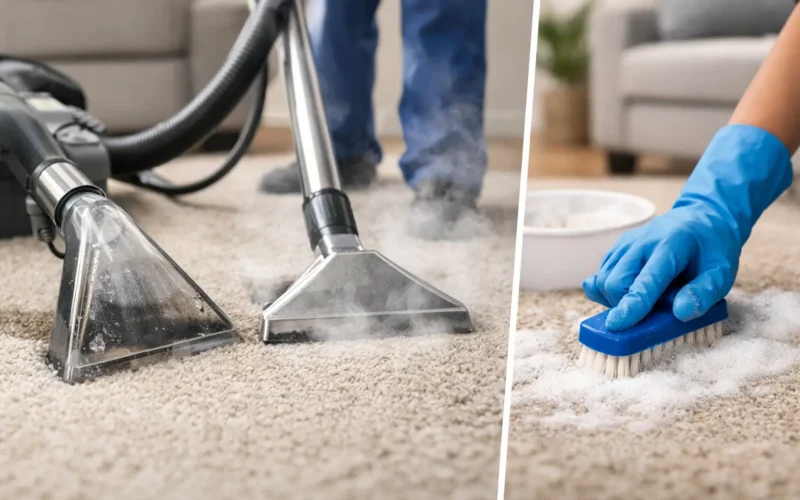
A carpet can look only mildly tired and still be holding far more dust, soil, allergens and residue than most people realise. That is why choosing the best carpet cleaning methods matters – not just for appearance, but for hygiene, indoor air quality and the life of the carpet itself.
The right method depends on the carpet fibre, the level of soiling, the type of stains, and how quickly the area needs to be back in use. A light refresh for a low-traffic room is very different from cleaning a family lounge with pets, children and regular spills. In commercial spaces, foot traffic and presentation standards add another layer again. There is no single method that suits every carpet, which is why professional assessment is worth more than guesswork.
What are the best carpet cleaning methods?
When people ask about the best carpet cleaning methods, they are usually comparing a few common options: hot water extraction, dry cleaning, shampooing, bonnet cleaning and spot treatment. Each has a place, but some deliver deeper and longer-lasting results than others.
For most residential and commercial carpets, hot water extraction is widely considered the most effective all-round method. It reaches deep into the pile, removes embedded soil, and helps flush out contaminants rather than simply moving them around the surface. When performed with the right equipment and proper technique, it provides a thorough clean without leaving excessive residue behind.
That said, “best” does not always mean “same every time”. A delicate rug, a moisture-sensitive carpet backing, or a site that needs very fast drying may call for a different approach. Good cleaning is not about using the most aggressive method. It is about using the most suitable one.
Hot water extraction for deep carpet cleaning
Hot water extraction, often called steam cleaning, is the method most people think of when they want a proper deep clean. Despite the name, it does not rely on steam alone. A cleaning solution and hot water are applied into the carpet, then powerful extraction removes loosened soil, moisture and residues.
This method works well for family homes, rental properties, offices and heavily used areas because it tackles what sits below the surface. It is especially useful where there are pet odours, tracked-in dirt, food spills or general dullness across larger areas.
Its biggest strength is depth of cleaning. It can improve appearance, remove a significant amount of built-up soil, and support a healthier indoor environment when completed correctly. It is also the preferred choice for routine maintenance in many homes because it resets the carpet rather than just freshening the top layer.
The trade-off is drying time. Even with strong extraction equipment, carpets need time to dry fully. Good airflow, correct machine settings and experienced handling make a noticeable difference here. Overwetting is not a sign of a better clean. It is usually a sign of poor technique.
Dry carpet cleaning when downtime matters
Dry carpet cleaning is a useful option where quick turnaround is the priority. This method generally uses specialised compounds or low-moisture products worked into the carpet and then removed with machine action and vacuuming.
In offices, retail spaces or rooms that need to be used again quickly, low-moisture cleaning can be a practical solution. It reduces drying time and can improve the appearance of light to moderate soiling without saturating the carpet.
The limitation is that it may not deliver the same deep flush as hot water extraction, particularly on heavily soiled carpets. For maintenance cleaning between deeper services, it can work well. For carpets carrying months or years of build-up, it may not be enough on its own.
Shampooing and bonnet cleaning – where they fit
Carpet shampooing was once one of the more common methods, and it is still used in some situations. It involves applying a foaming detergent and scrubbing the carpet to loosen soil. It can improve appearance, but older or poorly managed shampoo methods sometimes leave residue behind, which may attract more dirt over time.
Bonnet cleaning is more often used in commercial settings for surface-level maintenance. A rotating pad cleans the top section of the carpet and can quickly lift visible soil in high-traffic areas. This can be useful for presentation in offices, function spaces and other busy sites.
Neither method is usually the first choice for a full restorative clean. They are better viewed as maintenance options or targeted solutions where appearance is the immediate concern. If the goal is to remove deep contamination and improve overall hygiene, extraction cleaning is usually the stronger option.
Spot treatment is part of the process, not the whole answer
One of the biggest mistakes people make is treating a stained patch as if it exists in isolation. Spot treatment matters, but it works best as part of a broader cleaning plan. A coffee spill, pet accident or grease mark may need a specific treatment product and technique before the main clean begins.
Different stains respond to different chemistry. Protein-based stains, dye stains and oily marks do not behave the same way, and the wrong product can make the problem worse or set the stain further. Scrubbing too hard can also damage carpet fibres and distort the pile.
Professional stain treatment starts with identifying what caused the mark, testing the safest approach, and managing expectations where staining has become permanent. Some stains can be fully removed. Others can only be improved. Honest advice matters as much as technical skill.
Best carpet cleaning methods for homes with pets and children
Homes with pets and children usually need more than a quick cosmetic clean. Fur, tracked-in soil, food spills, accidents and everyday traffic build up quickly, especially in living areas and bedrooms.
For these households, hot water extraction is often the strongest option because it can deal with deeper contamination and odour sources. It is also helpful for reducing the dust and allergens that settle into the carpet over time. If accidents are frequent, regular professional cleaning can stop problems from lingering in the underlay or affecting the smell of the room.
The timing of cleaning matters too. Waiting until a carpet looks visibly dirty often means the soil load is already quite high. Routine maintenance usually gives better long-term results than occasional heavy restoration work.
Best carpet cleaning methods for commercial spaces
Commercial carpet cleaning needs a different lens. Presentation matters, but so do safety, drying times and disruption to operations. In some workplaces, low-moisture methods are useful for interim cleans because they allow fast return to service.
For periodic deep cleaning, hot water extraction is still often the better choice, particularly in high-traffic zones where soil becomes compacted into the pile. Offices, common areas, reception spaces and tenancy fit-outs all benefit from a method that removes built-up debris rather than masking it.
The best result often comes from combining approaches. A site might use low-moisture maintenance cleaning during the year and schedule deeper extraction cleaning at planned intervals. That balance keeps carpets presentable while protecting their condition.
How to choose the right method for your carpet
The best carpet cleaning methods are chosen by looking at the carpet, not by guessing from a machine label. Fibre type, pile construction, age, traffic patterns, stain history and drying conditions all affect the decision.
Wool carpets, for example, need more care than many synthetic fibres. Some carpets can handle more moisture and stronger agitation. Others need a gentler process to avoid shrinkage, distortion or texture change. This is one reason trained technicians follow recognised standards rather than taking a one-size-fits-all approach.
It also matters who is doing the work. Modern equipment helps, but equipment alone does not deliver a good result. Proper pre-inspection, correct chemical selection, controlled moisture use and thorough extraction are what separate a surface clean from a genuinely professional one.
When professional cleaning is the better call
Vacuuming is essential, and quick attention to spills always helps. But home machines and supermarket products have limits. They can be useful for immediate action, yet they often lack the power to remove deep soil properly and may leave detergent behind if overused.
Professional cleaning is the better call when carpets are looking dull across larger areas, carrying odours, showing traffic lane build-up, or recovering from spills that have soaked below the surface. It is also the safer option for quality carpets, rugs and commercial installations where the wrong method can cause lasting damage.
For homes and businesses across Sydney, working with experienced technicians means the cleaning method is matched to the carpet and the condition it is in. That is how better results are achieved and how carpets stay cleaner for longer.
A well-cleaned carpet should do more than look better for a few days. It should feel fresher underfoot, contribute to a healthier indoor space, and hold up better to the pace of daily life.