

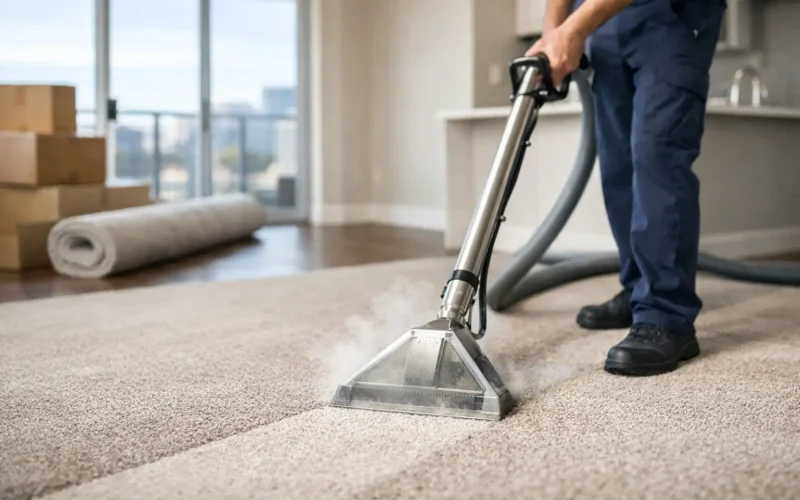
Moving day has a way of making every mark on the carpet look worse than it did a month ago. End of lease carpet cleaning is often the last major job before keys are handed back, and it can make a real difference when a property manager or landlord is checking the condition of the home. If the carpet carries built-up soil, pet odours, stains or traffic marks, a proper professional clean helps present the property at its best and supports a smoother final inspection.
Why end of lease carpet cleaning matters
Carpet takes more punishment than most surfaces in a rental. It collects fine dust, food residue, tracked-in dirt, spills, pet dander and everyday oils from foot traffic. During a tenancy, those layers can build up gradually enough that tenants stop noticing them. At inspection time, they stand out.
End of lease carpet cleaning is not just about appearance. A clean carpet can also improve odour, lift matted pile in high-traffic areas and remove residue that leaves the room looking tired. For landlords and property managers, that matters because the property needs to be ready for the next occupant. For tenants, it matters because carpets are one of the easiest surfaces to have flagged during the vacate process.
That said, there is a difference between fair wear and tear and actual soiling. A professional cleaner cannot reverse every sign of age or sun exposure, and permanent damage does not disappear simply because the carpet has been cleaned. What a proper service can do is remove the grime and contamination that sit on top of normal wear, so the true condition of the carpet is clear.
What property managers usually look for
Most final inspections focus on whether the carpet is clean, hygienic and free from obvious staining or odour. In practical terms, that usually means no visible traffic lanes, no fresh or old spill marks left untreated, and no lingering pet smells.
Some leases also specify that carpets must be professionally cleaned, particularly where pets have been kept in the property. Even when the wording is less direct, tenants are generally expected to return the property in a reasonably clean condition. Carpeted bedrooms, hallways, stairs and living rooms are common areas of concern because dirt builds up quickly there.
This is where documentation and experience help. A trained technician knows how to assess fibre type, soil load and stain condition before cleaning starts. That matters because the wrong method can over-wet the carpet, leave detergent residue behind or fail to remove embedded soil properly.
What professional end of lease carpet cleaning includes
A proper carpet clean is more than a quick pass with a hired machine. Professional equipment has stronger extraction capability, better heat control and more effective rinsing, which means more soil is removed and less residue is left behind.
In most cases, the process starts with inspection. The cleaner checks for heavy traffic areas, staining, odours and any pre-existing damage. From there, the carpet is usually pre-treated to loosen soils and address problem spots. Hot water extraction is a common method for end of lease carpet cleaning because it flushes out deep contamination while rinsing the fibres more thoroughly than basic surface cleaning.
Spot treatment may be used for spills, food stains, tracked dirt and pet-related issues, but results depend on the age of the stain, what caused it and whether it has been treated before. Some marks respond well. Others may only lighten. Honest advice matters here because overpromising helps no one at inspection time.
Drying is another part of the job that tenants often overlook. Carpets should be cleaned early enough to allow proper drying before the final handover. Ventilation, weather, fibre type and soil level all affect drying time. A reliable cleaner will give clear guidance so you can plan around it.
When to book end of lease carpet cleaning
The best time to arrange end of lease carpet cleaning is after furniture has been removed and before the final inspection. Empty rooms allow full access to the carpet and make it easier to clean edges, corners and traffic areas properly. Cleaning around beds, lounges and cabinets can leave untouched sections, which is not ideal when the whole room is being assessed.
It is also worth leaving enough time for unexpected issues. If there are pet accidents, makeup spills, rust marks or heavy soiling under furniture, those areas may need extra treatment. Booking at the last minute can create pressure if the carpet needs more drying time or if additional rooms are found to need attention.
For busy tenants, this often comes down to sequencing. Removalists first, carpet cleaning next, inspection after that. Keeping the order simple reduces stress and helps the property present consistently.
Common carpet problems at vacate time
Some carpet issues appear in almost every move-out clean. Traffic lanes are one of the biggest. These are the darker, dull-looking paths that form through hallways, beside beds and in living areas. They are caused by repeated foot traffic pushing soil deep into the pile.
Stains are another common problem, especially in family homes and share houses. Coffee, wine, food, mud and cosmetics all behave differently in carpet fibres. The same goes for pet staining, which can involve both visible marks and odour sitting below the surface.
Then there is general dullness. Even without one obvious stain, a carpet can still look tired because fine dry soil and oily residue have built up across the room. This is where professional cleaning often creates the biggest visual improvement. The carpet may not become brand new, but it usually looks fresher, cleaner and more inspection-ready.
DIY hire machines vs professional cleaning
Tenants sometimes consider hiring a machine to manage the job themselves. That can work for light freshening in some situations, but it has limitations. Hire machines often lack the extraction power needed to remove deeply embedded soil, and they can leave carpets too wet if used incorrectly.
There is also the issue of detergent residue. Too much product or poor rinsing can leave the carpet feeling sticky, which attracts more dirt and can make marks reappear quickly. In a vacate clean, that is the opposite of what you want.
Professional end of lease carpet cleaning is generally the safer option when the property is being formally inspected. Trained technicians understand fibre sensitivity, stain treatment and moisture control. They also know when a mark is likely to improve and when it is permanent. That level of judgement is difficult to match with a machine picked up for the weekend.
Choosing a carpet cleaner for a rental property
Not every cleaning service handles end of lease work with the same level of care. Experience matters because vacate cleaning has a different purpose from routine maintenance. The carpet needs to look clean, smell clean and stand up to close inspection.
Look for a provider with trained technicians, current equipment and a clear process. It also helps to choose a business that understands common rental timelines and can work efficiently across different property types, from apartments to family homes and commercial tenancies.
For tenants and property managers in Sydney, local knowledge can be useful too. Access issues, apartment move-out rules, limited lift times and tight inspection schedules are all common. A company that regularly works across metro areas is more likely to handle those logistics without fuss.
How to help get the best result
A few simple steps can improve the outcome of any end of lease carpet cleaning appointment. Vacuuming loose debris beforehand is helpful if the carpet has a lot of fluff or surface dirt, although many professionals will assess and prepare the area as part of the service. More importantly, remove as much furniture as possible and point out stains or odours you are concerned about.
If pets have been in the home, say so. Pet treatment often needs a different approach from general cleaning, especially if odour is involved. The same applies to old spills that have already been treated with supermarket products. Knowing the carpet history gives the technician a better chance of choosing the right method.
It is also sensible to keep foot traffic off the carpet while it dries. Freshly cleaned carpet can pick up dirt quickly if people walk through with shoes during move-out.
A final clean that supports the handover
At the end of a lease, carpets do not need guesswork. They need a proper clean carried out with the right equipment, realistic expectations and enough time to dry before inspection. When that part is handled properly, one of the most noticeable surfaces in the property is far easier to hand back with confidence.
If you are planning a move, treat the carpets as one of the final jobs worth doing well. A clean, fresh room is easier to inspect, easier to present and one less thing to worry about when the keys are ready to go back.