

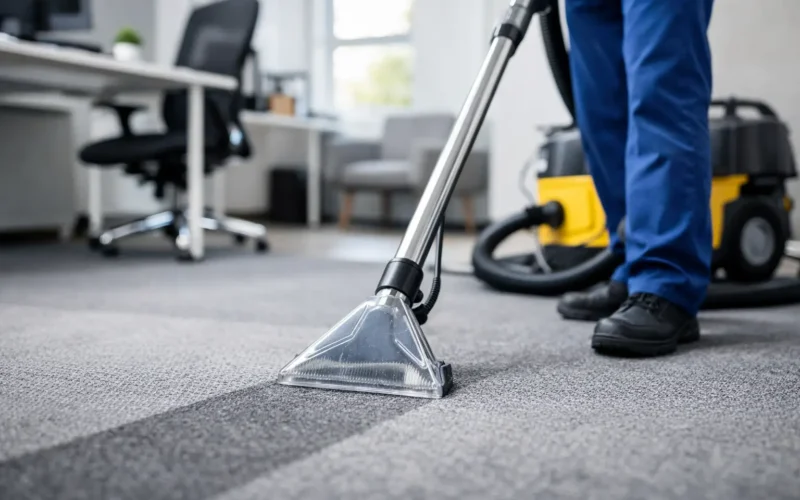
A stained entry path, lingering odour in a meeting room, or carpet that still looks flat after a quick vacuum usually means one thing – the site needs more than basic upkeep. This commercial carpet cleaning guide is designed for office managers, strata representatives, fit-out teams and business owners who want cleaner carpets, better presentation and a healthier indoor environment without guesswork.
Commercial carpet works hard. It carries foot traffic, traps soil, absorbs spills and holds fine dust that can affect both appearance and air quality. In busy workplaces, the issue is rarely whether carpets need professional attention. The real question is how often, by what method, and with what level of disruption to staff or customers.
Why a commercial carpet cleaning guide matters
In commercial settings, carpet is not just a finish. It is part of the way your premises presents to clients, supports staff comfort and protects the life of the fit-out. When cleaning is delayed too long, soil gets pushed deeper into the pile, fibres wear faster and stains become harder to remove.
There is also a hygiene factor. Carpets can hold allergens, dust, tracked-in moisture and food residue, especially in shared workspaces, childcare environments, medical consulting rooms and hospitality venues. Regular maintenance helps reduce build-up and supports a cleaner, healthier workplace.
The right schedule depends on the site. A low-traffic private office has very different needs from a busy reception area, school corridor or retail tenancy. That is why a one-size-fits-all plan rarely gives good results.
Start with traffic, use and risk
Before booking any work, look at how the carpet is actually being used. High-traffic lanes near lifts, entrances, kitchens and printer stations usually need more frequent attention than boardrooms or private offices. Sites with food service, public access, wet weather exposure or frequent deliveries also tend to collect more embedded soil.
Material and carpet construction matter as well. Some commercial carpets are designed to hide soiling, which can make them look acceptable while still holding a surprising amount of grit. Others show marks quickly but respond well to regular maintenance. If your building has carpet tiles, damaged or heavily stained sections may need different treatment from broadloom carpet.
A practical assessment should consider visible wear, odours, recurring spots, drying conditions and the hours the site is occupied. This helps determine both the cleaning method and the timing.
Common commercial carpet cleaning methods
Not every carpet should be cleaned the same way. The best method depends on fibre type, soiling level, access, required drying time and the condition of the carpet.
Hot water extraction
Hot water extraction is one of the most effective options for deep cleaning commercial carpet. It flushes out embedded soil, residues and contaminants from the fibres, making it a strong choice for restorative cleaning and scheduled maintenance in many office and commercial environments.
It is particularly useful where appearance has dropped off, traffic lanes are obvious or there are hygiene concerns. The trade-off is drying time. While modern equipment can improve moisture recovery, the area still needs proper ventilation and enough downtime to dry safely.
Low-moisture cleaning
Low-moisture methods can suit businesses that need faster turnaround. These systems use less water and can be a practical choice for routine maintenance in buildings that stay occupied for long hours.
That said, low-moisture cleaning is not automatically better for every job. If the carpet is heavily soiled or has a lot of build-up, it may improve appearance without delivering the same level of deep flushing as extraction. In many commercial sites, a combination approach works best – low-moisture cleaning for interim maintenance and periodic deep extraction for a more thorough reset.
Spot and stain treatment
Spot treatment is important, but it should be done properly. Coffee, food, ink and tracked-in grime all behave differently. Using the wrong product can set a stain, bleach the carpet or leave sticky residue that attracts more dirt.
Professional spot treatment starts with identifying the stain, testing the fibre and applying the correct chemistry and technique. Some stains can be removed fully, while others may only be reduced depending on age, dye interaction and previous attempts to clean them.
How often should commercial carpet be cleaned?
This is where many businesses either overdo it in quiet areas or leave busy areas too long. Frequency should match actual usage.
A reception foyer, hallway or retail entry may need attention far more often than a private office. Staff lunchrooms, breakout areas and meeting rooms often benefit from regular spot treatment and scheduled maintenance because spills and odours build up quickly. In contrast, low-use spaces may only need periodic deep cleaning and routine vacuuming in between.
Season also matters. Wet weather can increase soil and moisture tracked in from outside, especially in Sydney buildings with open access points. During these periods, carpets can deteriorate faster if entry matting and maintenance are not adjusted.
The best approach is a maintenance plan based on zones rather than a blanket schedule across the whole site. That protects presentation where people notice it most and avoids unnecessary disruption in areas that can wait.
What to do before the cleaners arrive
A bit of preparation helps the job run efficiently and improves the result. Small loose items should be removed from the carpeted area, and sensitive equipment should be identified in advance. If desks, partitions or workstations are involved, it helps to confirm what will and will not be moved.
Access is another key factor. Cleaners need clear entry, suitable power access if required, and a realistic understanding of site restrictions such as loading docks, after-hours security or lift bookings. For larger commercial jobs, a walkthrough beforehand avoids confusion and allows problem areas to be identified early.
If there are known spills, pet odours in residential-style facilities, past water damage or recurring stains, point them out before work begins. That gives the technician a better chance of selecting the right treatment from the start.
Choosing a commercial carpet cleaning provider
A commercial carpet cleaning guide would not be complete without addressing provider selection. Equipment matters, but training, method selection and job planning matter just as much.
Look for a provider with experience across different commercial environments, not just general domestic cleaning. Offices, schools, aged care settings, retail premises and strata common areas all have different access, compliance and cleaning demands. Certified and trained staff are important because commercial carpet cleaning often involves stain identification, fibre knowledge, moisture control and safe chemical use.
Reliability also counts. Businesses need technicians who arrive when booked, communicate clearly and work around occupancy needs. For some sites that means after-hours work. For others it means staged cleaning so operations can continue with minimal interruption.
If the premises has had previous flooding, water ingress or recurring odours, choose a team that understands restoration as well as standard maintenance cleaning. In those situations, surface cleaning alone may not solve the underlying issue.
Protecting results between professional cleans
Professional cleaning does the heavy lifting, but day-to-day care has a major impact on how long the carpet stays presentable. Vacuuming frequency should reflect traffic, not habit. High-use zones need more attention because dry soil acts like abrasive grit underfoot.
Entry matting helps reduce what gets tracked onto the carpet in the first place. Prompt spill response matters too. Blotting, isolating the area and avoiding random supermarket products can prevent a small issue from becoming a permanent stain.
It is also worth watching for furniture pressure marks, damaged seams or areas that stay damp longer than expected. These signs can point to wear, ventilation issues or hidden moisture problems that need attention before they affect a larger section of carpet.
When carpet cleaning becomes urgent
Sometimes routine maintenance is not enough. Major spills, water damage, strong odours and sudden contamination issues need a faster response. In commercial premises, delaying action after a flood or leak can lead to lingering odours, staining, microbial growth and disruption to business operations.
Urgent situations need proper extraction, assessment and drying rather than a cosmetic clean. This is one area where experienced technicians and suitable equipment make a real difference. If moisture remains in the carpet or underlay, the carpet may look better briefly but continue to smell or deteriorate underneath.
For businesses that want a dependable, practical approach, the right cleaning plan is not about making carpet look good for a day. It is about keeping the workplace presentable, extending the life of the flooring and maintaining a cleaner environment for everyone who uses the space. A well-managed carpet tells people your standards are taken seriously – often before a word is spoken.