

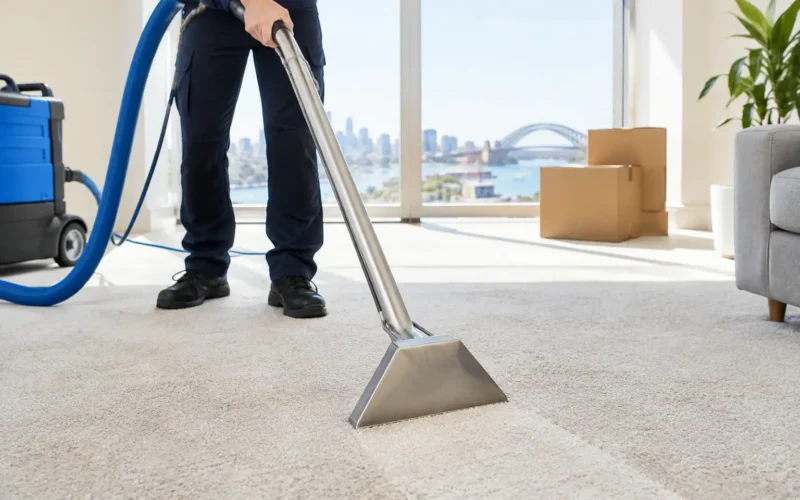
Sand tracked in after a morning at Bondi, pet hair settling into lounge-room carpet and everyday spills can quickly make a well-kept home feel less fresh. Carpet cleaning Sydney Eastern Suburbs households and businesses need is not simply about making carpet look better for a day. It should remove embedded soil, support a healthier indoor environment and help protect a significant investment in the property.
Why Eastern Suburbs carpets need regular attention
Carpet acts as a filter. It catches fine dust, grit, pollen, skin cells, food particles and pet dander that would otherwise remain airborne. Vacuuming is essential, but it mainly removes surface debris. The particles that settle deeper in the pile are often the ones that cause dullness, lingering odours and premature wear.
The Eastern Suburbs lifestyle can add to the load. Homes close to beaches may deal with fine sand and salt residue, while busy family homes, apartments and rental properties experience regular foot traffic in concentrated areas. Commercial spaces face a different pattern, with dirt brought in from footpaths, car parks and entryways throughout the working week.
When grit remains in carpet, it works against the fibres each time someone walks across the room. Over time, this can flatten the pile and create worn traffic lanes. Regular deep cleaning helps lift this abrasive soil before it has the chance to cause lasting damage.
What quality carpet cleaning should achieve
A proper clean should be assessed by more than the appearance of the carpet immediately afterwards. Good results involve removing soil from deep within the pile, treating suitable stains, reducing odours and leaving the carpet in a condition that can dry efficiently.
The right method depends on the carpet fibre, its age, the type of soiling and the condition of the backing. Wool, synthetic blends, loop pile and heavily used commercial carpet each need a considered approach. Applying excessive moisture or an unsuitable chemical solution can create problems rather than solve them, particularly on delicate fibres or carpets affected by previous spot treatments.
Trained technicians begin by assessing the carpet, identifying stains and checking fibre type where required. Pre-vacuuming, targeted pre-treatment and hot water extraction may form part of the process, but the sequence should always suit the job. For some commercial settings, low-moisture cleaning may be more appropriate where minimal disruption and faster access are priorities.
Australian Standards training matters because it gives cleaning teams a practical framework for selecting methods, managing moisture and protecting furnishings. It also means knowing when a stain may be permanent, rather than making unrealistic promises that can damage the carpet further.
Stains need prompt, careful action
A fresh spill is usually easier to manage than one that has dried or been repeatedly treated. Blot liquid spills with a clean white cloth or paper towel, working from the outside towards the centre. Avoid rubbing, as this can spread the spill and push it further into the fibres.
Do not pour household cleaners directly onto the carpet without checking whether they are suitable for the fibre. Some products can bleach colour, leave a sticky residue that attracts more dirt or set certain stains permanently. Coffee, red wine, pet accidents, oily food and ink all respond differently, so a tailored treatment is usually safer than a one-product approach.
Carpet cleaning Sydney Eastern Suburbs homes can plan for
For most households, professional carpet cleaning every 12 months is a sensible maintenance benchmark. Homes with children, pets, allergy concerns or high foot traffic may benefit from cleaning every six months. The same applies to rental properties between tenancies, particularly where carpets have been exposed to pets, spills or heavy use.
Frequency is not only about visible marks. A carpet can hold a substantial amount of dry soil before it looks dirty. By the time traffic lanes are obvious, fibres may already be carrying embedded grit that is difficult to remove completely.
Businesses should set a maintenance schedule around their actual use of the premises. An office with a small team and controlled entry points may need less frequent deep cleaning than a busy reception area, medical practice, retail store or hospitality venue. Regular attention to entrance mats and high-traffic zones can extend the time between full cleans while keeping the space presentable.
For landlords and property managers, documented cleaning by an experienced provider also supports a consistent handover standard. It helps prepare the property for incoming tenants and can address odours or visible soiling before inspections.
Preparing your rooms for the best result
A few simple steps make the cleaning process more efficient and allow technicians to focus on the carpet itself. Clear smaller items, toys, cords and breakables from the floor where possible. Move lightweight furniture if you would like the carpet beneath it cleaned, unless this has been arranged as part of the service.
Let the cleaning team know about particular concerns before work begins. This may include pet accidents, old drink spills, previous DIY treatments, loose carpet edges or areas affected by water. Accurate information helps with product selection and sets realistic expectations about the result.
Vacuuming before an appointment is helpful when practical, especially in homes with pets. It does not replace deep cleaning, but it removes loose surface debris and allows the treatment process to concentrate on soil embedded in the carpet.
After cleaning, allow good airflow through the room. Open windows where conditions permit, use ceiling fans or air conditioning, and limit foot traffic until the carpet is dry. Drying time varies with the carpet type, weather, ventilation and level of cleaning required. A clean carpet should never be saturated, but some moisture after extraction is normal.
Protecting freshly cleaned carpet
Once the carpet is clean, routine care makes a noticeable difference. Vacuum high-use areas two or three times a week and attend to spills promptly. Place quality mats at entry points, particularly near doors that lead to outdoor entertaining areas, balconies or gardens.
Furniture pads can help reduce indentations and protect carpet from wear under heavy items. If pets are part of the household, grooming them regularly and cleaning up accidents quickly will reduce hair, dander and odour concerns between professional visits.
Fabric protection may also be worth considering for some carpets and upholstered furniture. It does not make fabric stain-proof, but an appropriate protector can give you more time to manage spills before they absorb into the fibres. Whether it is suitable depends on the material and the condition of the carpet.
When water damage needs urgent action
Flooded carpet is different from everyday cleaning. A burst pipe, overflowing appliance, stormwater entry or plumbing leak can introduce large amounts of moisture into carpet, underlay and subfloor areas. Delays can increase the risk of mould growth, odours, staining and damage to the carpet backing.
The priority is to stop the source of water if it is safe to do so, protect electrical safety and arrange prompt assessment. Flood restoration may involve water extraction, lifting carpet where necessary, drying equipment and monitoring moisture levels. The appropriate response depends on where the water came from, how long it has been present and which materials are affected.
Do not assume a carpet is dry because the surface feels dry underfoot. Moisture can remain in the underlay or subfloor, where it may cause problems later. Fast, methodical restoration gives the best chance of saving suitable materials and returning the space to a safe condition.
Choose experience over a quick surface clean
The lowest-effort approach can leave behind the soil and moisture that cause repeat problems. A reliable carpet cleaner should have trained staff, suitable equipment, clear communication and experience across different carpet types and cleaning conditions. For larger properties, commercial sites or urgent water damage, the ability to handle the scale of the job is just as important as the cleaning method itself.
Sydneywide Carpet Cleaning brings more than 20 years of experience to residential and commercial soft furnishing care across Sydney. Whether the goal is routine maintenance, end-of-lease preparation, odour treatment or urgent flood response, the focus should remain on clean, healthy results that protect the carpet for longer.
A well-maintained carpet makes a room more comfortable to live or work in. Arrange cleaning before stains, odours and worn traffic areas become the feature everyone notices.