

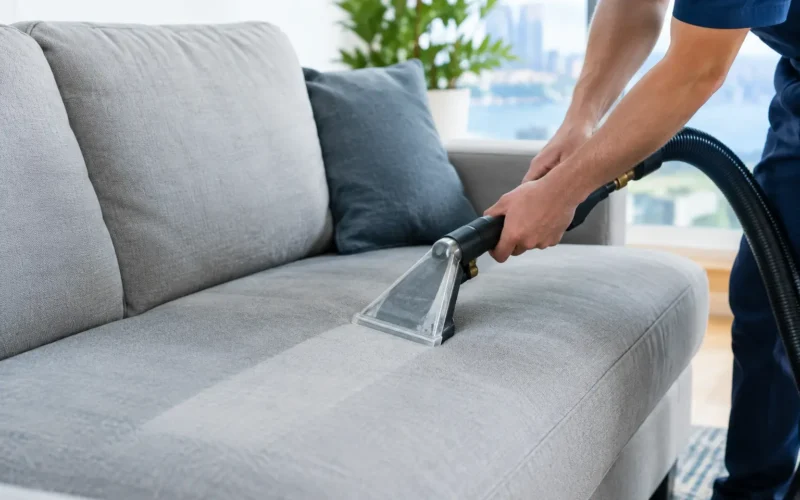
A lounge can look clean while holding the evidence of everyday life deep in its fibres: body oils, pet hair, crumbs, dust, pollen and the occasional spill. Upholstery cleaning Sydney households can rely on is not only about removing visible marks. It helps maintain a fresher, healthier space where families relax, children play and guests sit.
Your sofa is one of the hardest-working pieces of furniture in the home. Regular care protects its appearance, reduces lingering odours and can help extend the useful life of the fabric. The right approach depends on the material, how the lounge is used and whether pets, young children or allergy concerns are part of the picture.
Why lounge upholstery needs regular attention
Upholstery acts like a filter. As people sit down, dust and fine particles settle into the fabric. Natural oils from skin and hair transfer onto armrests, headrests and cushions. Pet fur, outdoor dirt and food residues add to the build-up, particularly in busy family rooms.
Vacuuming floors alone will not remove what has settled below the surface of a lounge. Over time, embedded soil can make fabric look dull, cause unpleasant smells and contribute to wear in high-contact areas. Pale upholstery may show this first, but darker fabric is not immune. The soil is simply less obvious until the lounge starts to look flat or feel less fresh.
For households with pets, frequent entertaining or active children, professional upholstery cleaning is generally needed more often than it is in a lightly used formal sitting room. There is no single timetable that suits every home, but a professional clean every 12 to 18 months is a sensible maintenance benchmark for many households. More frequent care can be worthwhile where allergies, pets or visible soiling are ongoing concerns.
Upholstery cleaning Sydney homes need starts with fabric identification
The most common mistake with lounge cleaning is treating every fabric the same. A method that works well on one sofa can leave water marks, colour loss or shrinkage on another. Before using any cleaning product, check the manufacturer’s care label and identify the fibre where possible.
Synthetic fabrics such as polyester and microfiber are often durable, but they can still develop water rings or attract soil if too much product is left behind. Natural fibres, including cotton, linen and wool blends, may be more sensitive to moisture and heat. Velvet, viscose and delicate woven fabrics need particular care because pile direction, texture and dye stability can be affected by incorrect cleaning.
Leather lounges need a separate process again. They should not be saturated or cleaned with general fabric products. Leather requires suitable cleaning and conditioning to remove body oils without drying the surface or affecting its finish.
Professional technicians assess the fabric, colourfastness, level of soiling and construction before selecting a cleaning method. This step matters. Effective results come from matching the process to the lounge, not applying a one-size-fits-all treatment.
Build simple habits into your weekly routine
A few small habits can make a noticeable difference between professional visits. Start by vacuuming your lounge weekly using an upholstery attachment. Work across the cushions, seams, under removable cushions and along the backrest. This removes dry soil before it is pushed deeper into the fibres.
Rotate and plump loose cushions where the design allows. Regular rotation spreads wear more evenly and helps prevent one favourite seat from becoming noticeably flatter or darker than the rest of the lounge. If your sofa sits in direct sunlight, consider closing blinds or curtains during the brightest part of the day. Sun exposure can gradually fade fabric, especially on cushions closest to windows.
It also helps to set a simple household rule around food and drinks on upholstered furniture. This will not prevent every accident, but using trays, lidded cups and designated snack areas reduces the chance of greasy marks and coloured drink spills. Throws can be useful on a pet’s favourite section of the sofa, provided they are washed regularly rather than simply hiding the soil underneath.
Deal with spills quickly, but do not over-clean them
When a spill occurs, speed matters. Blot the area immediately with a clean, white absorbent cloth or paper towel. Press gently from the outside of the spill towards the centre to reduce spreading. Avoid rubbing. Rubbing can push the spill further into the fabric and damage the weave or pile.
Use only a small amount of moisture if the care label allows it, and test any cleaner on an inconspicuous area first. Strong supermarket spot cleaners, dishwashing liquid and homemade mixtures can leave a sticky residue, bleach colour or create a larger water mark. A product may appear to solve the stain at first, only for the mark to return as the fabric dries.
For oily spills, ink, red wine, pet accidents or unknown stains, it is often safer to stop after blotting and arrange professional assessment. The goal is to avoid setting the stain while keeping the affected area as manageable as possible.
Freshness is about odours as well as stains
A lounge can retain odours even when there is no visible stain. Pets, cooking, smoke, damp clothing and everyday use can all leave fabrics smelling stale. Airing out the room and vacuuming the lounge help, but surface deodorising products may only mask the issue if odour-causing residues remain in the upholstery.
Pet accidents need particular attention. Urine can travel into cushion filling, backing fabric or the base of the lounge, which means the source may be deeper than the visible mark. Treating only the top layer can leave residual odour behind, especially on warm or humid days. Thorough cleaning needs to address the affected materials without over-wetting them.
If a lounge has been exposed to flooding, a roof leak or significant water ingress, act promptly. Moisture inside upholstery can create conditions for mould growth and odours. Keep people off the furniture where possible and seek professional advice rather than relying on household fans alone.
What professional upholstery cleaning can achieve
A trained upholstery cleaner uses equipment and cleaning solutions selected for the fabric and condition of the furniture. Depending on the lounge, the process may involve controlled hot water extraction, low-moisture cleaning, specialised spot treatment or careful hand cleaning. The aim is to lift embedded soil and residues while managing moisture levels and drying time.
Professional cleaning can improve the look and feel of a well-used lounge, reduce built-up odours and remove allergens and dust from the fabric. It is also a practical way to prepare a rental property for inspection, refresh a home before guests arrive or maintain furnishings in offices, waiting rooms and common areas.
Results depend on several factors. Long-standing stains, sun fading, fabric wear and previous cleaning damage may not be fully reversible. A reliable technician will assess these conditions honestly and explain what is realistic before work begins. That is more useful than promising a perfect result on a fabric that has already been permanently altered.
Fabric protection may be worth considering after professional cleaning, especially for family lounges and commercial seating. It can give you more time to blot up spills and make routine maintenance easier. It is not a substitute for cleaning, and it will not make a lounge stain-proof, but it can provide an extra layer of practical protection.
Choose care that protects your investment
Your lounge should feel comfortable to use, not like a piece of furniture everyone is afraid to sit on. Consistent vacuuming, quick spill response and fabric-appropriate professional cleaning are enough to keep most upholstery in good condition without unnecessary fuss.
For Sydney homes and businesses, Sydneywide Carpet Cleaning provides trained, experienced care for fabric and leather upholstery, with methods suited to the furniture in front of them. A properly cleaned lounge does more than look brighter – it helps keep the room you use most feeling genuinely fresh.