

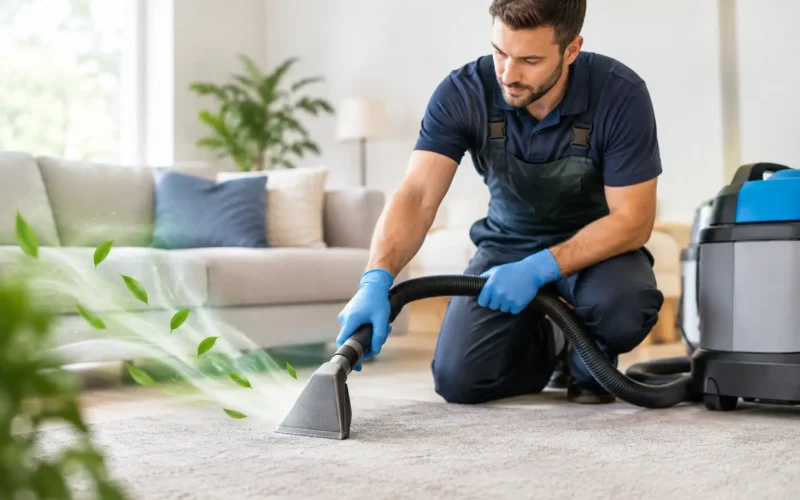
A room can look spotless and still carry an unpleasant smell. Pet accidents, food spills, moisture, smoke and everyday body oils can settle deep into carpet fibres, upholstery and mattresses. Effective odour removal is not about covering the smell with fragrance. It is about locating the source, treating it correctly and cleaning the affected material thoroughly.
For households, rental properties and workplaces, this distinction matters. A lingering odour can affect comfort, hygiene and the impression a space makes on guests, tenants, clients or staff. The right cleaning method can restore freshness while helping protect the condition of valuable soft furnishings.
Why odours stay after ordinary cleaning
Most persistent odours are trapped below the surface. Vacuuming removes loose dirt and dust, but it cannot reach contamination that has soaked into carpet backing, underlay, cushion filling or mattress layers. Sprays may make a room smell better for a short time, yet the original odour often returns when the fragrance fades or humidity rises.
Moisture is a common reason smells become more noticeable. In Sydney’s warmer or humid periods, bacteria and organic residue can become active again, making pet, food or musty odours stronger. If a carpet has been wet from a spill, leak or flooding event, delayed drying can also create conditions for mould and mildew growth.
The age of the spill, the type of material and the extent of contamination all affect the outcome. Fresh surface marks are usually more straightforward than repeated pet accidents in the same area or smoke residue built up over years. This is why a one-size-fits-all deodoriser rarely delivers lasting results.
Professional odour removal starts with the cause
A professional assessment identifies what is causing the smell and where it has travelled. This may involve inspecting carpet fibres, edges, backing and underlay, as well as checking nearby upholstery, rugs, mattresses or curtains. In some cases, the source is not immediately visible, particularly where urine or moisture has dried below the surface.
Treatment should match the source. Organic odours such as urine, vomit, food and sweat may require specialised treatments that break down the residue rather than simply masking it. Musty smells need attention to moisture and possible microbial growth. Smoke odours can cling to fibres and require detailed cleaning of multiple soft surfaces in the room.
At Sydneywide Carpet Cleaning, trained technicians use up-to-date equipment and appropriate cleaning processes for the material and the contamination involved. This approach supports a more complete result while reducing the risk of overwetting or using unsuitable products on delicate fibres.
Pet urine needs deeper treatment
Pet odours are among the most common reasons people seek specialist carpet cleaning. A pet may return to the same area because residual scent remains even when the spot looks clean. If urine has reached the carpet backing or underlay, a surface treatment alone may not be enough.
The affected area needs to be located, treated and extracted carefully. The goal is to remove as much contamination as possible and neutralise the odour source. Severe or repeated contamination can sometimes require further restoration work, particularly when underlay or subfloor materials have been affected. A reputable cleaner should explain the condition clearly and set realistic expectations before proceeding.
Musty smells can point to a moisture problem
A musty carpet or upholstery smell should not be ignored. It can be caused by damp cleaning, poor ventilation, a plumbing leak, wet footwear, a flooded room or stored furnishings that have been exposed to moisture. The first priority is stopping the moisture source and drying the affected materials properly.
If a carpet has been flooded, prompt action is essential. Professional water extraction, drying equipment and monitoring can help limit odours, staining and secondary damage. Leaving a wet carpet to dry slowly can allow unpleasant smells to develop long after the original water incident.
Which surfaces may need treatment?
Odours often move beyond the obvious item. A spill on a lounge can affect cushions and the fabric underneath. Cigarette smoke may settle into curtains, rugs and upholstered dining chairs. A bedroom odour may be coming from the mattress rather than the carpet.
Carpets are a frequent source because they collect dirt, allergens, spills and pet residue over time. However, upholstery deserves equal attention. Sofas, armchairs and fabric bedheads absorb body oils and everyday odours through regular use. Mattresses can retain perspiration, skin cells and moisture, making periodic professional cleaning a useful part of a healthier sleep environment.
Rugs also need material-specific care. Wool, silk, viscose and other delicate fibres can react poorly to incorrect products or excessive moisture. Professional inspection helps determine the safest cleaning and odour treatment method, especially for valuable rugs or furnishings with manufacturer care requirements.
What to do before the odour gets worse
Fast action improves the chance of a successful result. Blot fresh spills with a clean white towel rather than scrubbing them deeper into the fabric. Avoid saturating the area with household products, as this can spread the contamination, leave sticky residue or interfere with later treatment.
Keep pets and foot traffic away from the affected area where practical. Open windows or use ventilation to assist drying, but do not rely on airflow alone if significant water has entered the carpet. For a leak, overflow or flood, contact a qualified restoration service promptly.
It is also wise to avoid steam-cleaning a stain without knowing what caused it. Heat can set some stains and may make certain odours harder to remove. Similarly, strong fragrances can make it difficult to assess whether the source has actually been resolved.
When professional cleaning is the better option
DIY cleaning can be useful for minor, fresh spills, but it has limits. Hire machines may leave excess moisture behind, and supermarket products are not designed for every carpet fibre or odour source. The problem is often below the visible surface, where household equipment cannot effectively extract residue.
Professional cleaning is particularly worthwhile when an odour keeps returning, there has been a pet accident, a property is being prepared for new tenants, smoke has affected indoor areas, or water has entered carpets. It is also a sensible choice for homes with babies, children, allergy sufferers or pets, where a clean and healthy indoor environment is a priority.
Commercial spaces benefit from the same practical approach. Office carpets, waiting-room seating and shared fabric furnishings are exposed to heavy use and can quickly hold food, drink and general traffic odours. Planned maintenance helps maintain a more welcoming environment for staff and visitors while supporting the life of the furnishings.
Keeping carpets and furnishings fresher for longer
Regular vacuuming removes dry soil before it is worked deeper into fibres. Prompt spill response, good ventilation and occasional professional cleaning all help reduce odour build-up. Homes with pets generally benefit from more frequent maintenance, especially in high-use areas such as lounges, hallways and bedrooms.
Fabric protection can also be useful after professional cleaning for suitable carpets and upholstery. It does not make a surface stain-proof, but it can help spills sit closer to the surface for longer, giving you more time to blot them before they soak in. Whether it is appropriate depends on the fibre type and condition of the item.
For long-term freshness, think beyond the smell itself. A room that is properly cleaned, dried and maintained is more likely to stay comfortable for the people who use it every day. When an odour persists, treating the source early is the most reliable way to protect both your furnishings and your indoor environment.