

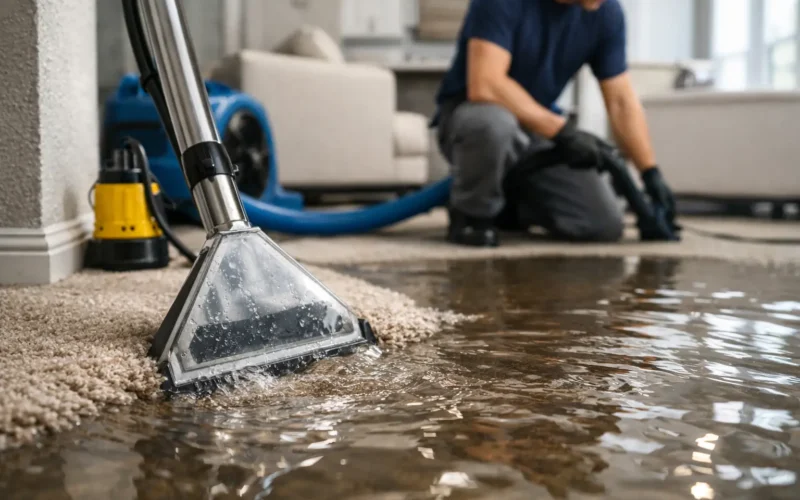
When a carpet is soaked, every hour matters. A proper flooded carpet restoration service does far more than remove visible water. It is about limiting damage to the carpet, underlay and subfloor, reducing health risks, and giving the area the best chance of being restored rather than replaced.
Flooding inside a home or workplace can happen fast. A burst pipe, overflowing bathroom, stormwater entry or appliance leak can leave carpet saturated before you have time to react. What many people do not see straight away is how quickly moisture spreads beyond the obvious wet patch. Water travels into the underlay, along the edges of the room, and sometimes into adjoining spaces. That is why flood damage needs a response that is quick, methodical and based on the right equipment.
What a flooded carpet restoration service actually covers
A professional restoration service starts with assessment, not guesswork. The first step is identifying the water source, the extent of saturation and the likely impact on the carpet and the materials underneath. Clean water from a fresh pipe leak is very different from contaminated water from outside entry, sewer backup or long-standing moisture.
That difference matters because not every flooded carpet can be restored in the same way. Some situations call for extraction and structural drying. Others require more controlled decontamination, cleaning and, in severe cases, removal of affected materials. The job is not finished once the carpet feels dry on top. Moisture can remain trapped underneath, where it continues causing problems out of sight.
In practical terms, restoration usually includes water extraction, moisture testing, lifting sections of carpet when needed, drying the underlay and subfloor, and cleaning and sanitising where appropriate. In many cases, technicians also use air movers and specialised drying equipment to bring moisture levels back to a safe standard.
Why speed makes such a difference
Wet carpet deteriorates quickly. The longer water sits, the more likely you are to see odours, staining, shrinkage, delamination or microbial growth. Underlay is especially vulnerable because it absorbs water like a sponge and dries much more slowly than the carpet pile.
Fast action improves the odds of saving the carpet and protecting the rest of the room. It also reduces disruption. For households, that can mean getting bedrooms, lounge rooms or hallways back into use sooner. For commercial spaces, it can mean less downtime and fewer long-term issues with indoor air quality.
There is also a health reason to act quickly. Damp carpet and underlay create the kind of environment where bacteria and mould can develop if conditions are right. That risk increases when the water is contaminated or when the affected area is left untreated for too long.
Why DIY drying often falls short
A wet vac and a few open windows can help with a minor surface spill, but flood damage is another category altogether. Most property owners can remove some top-layer moisture, but they cannot easily reach what has soaked through underneath. That hidden moisture is the problem that keeps coming back.
The carpet may seem better after a day or two, only for a musty smell to appear later. In some cases, the carpet backing weakens, the underlay breaks down, or staining sets in as contaminants wick upward during drying. This is one of the main reasons professional restoration focuses on moisture measurement and controlled drying, not just surface extraction.
There is also the issue of safety. If flooding involves power points, electrical appliances, ceiling leaks or contaminated water, the job should not be treated as a standard clean-up. It needs a more careful response.
How professionals decide whether carpet can be saved
Not every water-damaged carpet needs to be replaced, and not every carpet is worth restoring. The right approach depends on the type of water involved, how long the carpet has been wet, the condition of the carpet before the incident and the materials underneath.
If the water is clean and the response is prompt, restoration is often very achievable. If the water is heavily contaminated, or the carpet has been left wet for too long, the risks and material damage can become too great. A trained technician will look at the source of the water, inspect the backing and underlay, test moisture levels and assess whether hygienic restoration is realistic.
This is where experience matters. The goal is not to overpromise. It is to make a sound recommendation based on the condition of the carpet and the safety of the space.
Flooded carpet restoration service for homes
In residential settings, flood damage often affects the rooms people use most. Bedrooms, lounge rooms, hallways and home offices can all be impacted by a single leak. Families also have practical concerns beyond the carpet itself, including bedding, furniture, rugs and the general safety of the home.
A professional response helps contain the damage early. Furniture can be managed appropriately, wet areas can be isolated, and the drying process can be set up to target both the carpet and the structure beneath it. This is especially useful in homes with children, pets or allergy concerns, where prolonged dampness is more than just an inconvenience.
For renters, landlords and property managers, documented restoration by trained technicians also provides confidence that the issue has been addressed properly. That matters when coordinating repairs, tenancy expectations and property condition.
Flooded carpet restoration service for commercial spaces
Commercial carpet restoration often involves different pressures. Offices, retail premises, strata-managed buildings and other workplaces usually need a fast turnaround and a clear process. The priority is not only drying the carpet, but reducing interruption to staff, tenants or customers.
Commercial jobs can also be more complex because of larger floor areas, partitioned workspaces, heavy furniture and after-hours access requirements. In these situations, a restoration team needs the equipment and experience to scale the response appropriately.
A dependable service is not just about extracting water quickly. It is about managing the site professionally, communicating clearly and drying the affected area to a standard that supports ongoing use of the premises.
What to do straight away after carpet flooding
If it is safe to do so, stop the source of the water first. Move lightweight items away from the wet area and avoid walking over saturated carpet more than necessary, as this can spread contamination and press moisture deeper into the fibres and underlay.
If furniture is sitting on the wet carpet, it is best not to leave it there. Timber and metal items can transfer stains or rust marks onto the carpet. If the flooding is significant, contact a professional restoration team as soon as possible rather than waiting to see if it dries on its own.
It also helps to avoid turning the situation into a bigger cleaning problem. Household deodorising sprays and supermarket stain products are not a substitute for restoration, and they can interfere with proper treatment later.
The value of trained technicians and proper equipment
Flood restoration is one of those jobs where training shows. A technician needs to understand water categories, fibre types, drying behaviour, safe cleaning methods and the difference between cosmetic improvement and genuine restoration.
That is why recognised training and standards-based work matter. With the right equipment, technicians can extract more water, monitor moisture properly and dry the affected materials more efficiently. With the right experience, they can make sensible decisions about what can be saved, what needs extra treatment and what should not be left in place.
For customers, this means fewer assumptions and better outcomes. It also means the work is approached with the care you would expect when your home or workplace has already been disrupted.
Choosing the right restoration provider
When you are dealing with water damage, reliability matters as much as technical skill. You want a provider that understands both routine carpet care and urgent flood response, because restoration is not just a drying exercise. It sits at the intersection of cleaning, damage control and hygiene management.
Look for a business with proven experience, trained staff and equipment suited to emergency work. Local coverage also matters, especially when a fast response can influence how much of the carpet and underlay can be saved. Sydneywide Carpet Cleaning is one example of a service built around that combination of day-to-day expertise and urgent restoration capability.
A flooded carpet can look overwhelming in the first few hours, but the right response can change the outcome significantly. Acting early, getting the carpet assessed properly and drying it to a professional standard gives you the best chance of restoring the space safely and getting life back to normal.