

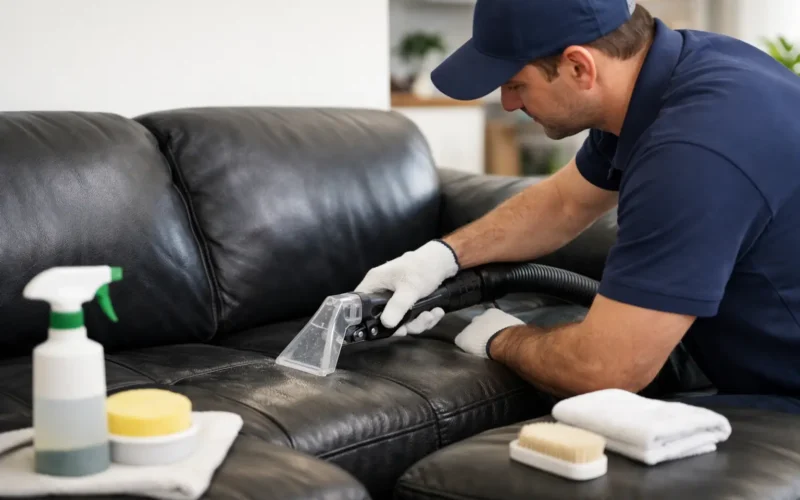
A leather lounge can still look respectable while quietly collecting body oils, dust, pet hair and everyday grime in all the places you do not notice until the surface starts to dull or feel sticky. That is usually the point where a professional leather lounge cleaning service makes a real difference – not just for appearance, but for hygiene, comfort and the life of the leather itself.
Leather is often treated like a low-maintenance option because it does not trap debris the same way fabric does. In practice, it needs the right kind of care. A lounge gets constant contact from skin, clothing, food crumbs, pets and changing indoor conditions. Over time, that wear shows up as darkened headrests, dry armrests, fine cracking, loss of softness or uneven colour.
What a leather lounge cleaning service actually does
Professional cleaning is not simply a quick wipe-down with a general-purpose product. Leather has a finished surface that needs to be cleaned in a controlled way, with products suited to the type and condition of the material. The aim is to remove soil without stripping protective coatings or leaving behind residues that attract more dirt.
A proper service usually starts with an inspection. This matters because not all leather lounges respond the same way. Pigmented leather, aniline leather and semi-aniline leather each have different sensitivities. A technician also checks for wear points, existing cracking, stains, fading and areas where body oils have built up heavily.
From there, the lounge is vacuumed and dry soil is removed from creases, seams and cushions. Then the leather is cleaned using professional products and methods designed to lift grime from the surface safely. Once cleaned, the leather may be conditioned or treated to help maintain suppleness and support the finish, depending on its condition and the type of leather.
That last step is where experience counts. Over-conditioning is not always helpful, and the wrong product can leave leather greasy or overly glossy. Good results come from understanding what the material needs, not from applying the same process to every suite.
Why DIY methods often fall short
Many lounge owners try to stay on top of cleaning with supermarket wipes or home remedies. The problem is that leather responds poorly to guesswork. Products made for vinyl, multi-surface sprays or harsh detergents can dry the surface, affect the finish or cause patchy results. Even too much water can create problems if it is not controlled properly.
DIY care still has a place. Regular dusting, gentle vacuuming and wiping spills promptly all help. But once grime has built up, especially on frequently used seating, home cleaning tends to move dirt around rather than remove it fully. This is even more common on pale leather, where transfer from denim, skin oils and general use become more obvious over time.
There is also the issue of stain treatment. A spill that looks simple on the surface can bond with the finish or soak into vulnerable areas if handled incorrectly. Trying several products in a row often makes the problem harder to correct.
Signs your leather lounge needs professional attention
Some lounges make the need obvious. Others decline more gradually. If the leather feels tacky, looks dull, shows dark patches where people sit most, or has lost its smooth, clean feel, it is probably due for a professional clean.
A change in texture is a particularly useful warning sign. Healthy leather should feel clean and comfortable, not oily, stiff or rough. If the surface is starting to show minor cracking around stress points, cleaning and appropriate conditioning may help prevent further deterioration, although it depends on how advanced the wear is.
Households with children or pets usually need more frequent maintenance. Pet hair, dander, claws and the occasional accident all add pressure to leather upholstery. In busy homes, lounges also become eating spots, workstations and nap zones, which means more body contact and more grime. Commercial waiting areas and office lounges deal with a similar issue through sheer traffic.
The hygiene factor people often overlook
Leather does not hold dust and allergens the way carpet or fabric upholstery can, but that does not mean it stays hygienic on its own. Skin oils, perspiration, food residue and airborne dust still settle on the surface. On a heavily used lounge, that build-up can affect indoor cleanliness and create an unpleasant feel even if the lounge still looks acceptable from a distance.
This is one reason routine maintenance matters. Professional cleaning helps remove the residue that standard household wiping misses, especially in seams, folds and contact zones. For families focused on a cleaner home environment, that practical hygiene benefit is just as important as keeping the furniture looking presentable.
How often should leather lounges be cleaned?
There is no single schedule that suits every home or business. It depends on usage, the type of leather, indoor conditions and whether there are pets or children in the space. A formal lounge in a rarely used sitting room has very different needs from the main family sofa that gets used every day.
As a general rule, routine professional cleaning helps prevent the kind of build-up that leads to permanent wear. High-use lounges usually need more regular attention than people expect, particularly in warm conditions where body oils transfer more readily. Waiting until the lounge looks heavily soiled is rarely the best approach, because by then the finish may already be under stress.
If you are unsure, inspection is useful. An experienced technician can tell the difference between soil that can be removed and wear that has become part of the leather’s condition.
Choosing the right leather lounge cleaning service
Not every cleaning business handles leather with the same level of care or training. Leather cleaning is a specialist service. It requires knowledge of different leather types, suitable cleaning agents and how to work around existing wear without making it worse.
This is where qualifications, experience and equipment matter. A provider with trained technicians and a strong background in upholstery and leather care is better placed to assess the lounge properly and choose the safest approach. For customers, that means fewer risks and more reliable results.
It also helps to choose a business that works across both residential and commercial settings. That kind of experience tends to sharpen the practical side of service delivery – turning up on time, carrying the right equipment, handling different lounge styles and working efficiently on site. Sydneywide Carpet Cleaning takes that approach seriously, with trained staff and established methods focused on safe, high-standard care.
What to expect after cleaning
The most noticeable improvement is usually in the feel of the lounge. Clean leather feels fresher, smoother and more comfortable to sit on. Visually, the finish often looks more even once surface grime is removed, especially on headrests, armrests and seat cushions.
That said, professional cleaning has limits. It can remove soil and improve presentation, but it does not erase every sign of age. Deep scratches, significant fading, advanced cracking and worn-through finish are restoration issues rather than standard cleaning issues. A reputable technician will be clear about that instead of overpromising.
What cleaning can do very well is slow down avoidable wear. Removing the grime and oils that break down the finish gives the leather a better chance of ageing well. That matters if you want your lounge to stay comfortable and presentable for longer.
Caring for your lounge between professional visits
Day-to-day care does not need to be complicated. Keep the lounge free from dust, vacuum creases gently with a soft brush attachment, and clean spills quickly using methods suitable for leather. Try not to let dirt sit on the surface for weeks, especially on light-coloured lounges or high-contact areas.
Positioning also plays a part. Direct sunlight, heaters and very dry indoor conditions can all affect leather over time. You cannot always rearrange a whole room around a sofa, but reducing constant heat and sun exposure where possible helps preserve the finish.
Most importantly, avoid experimenting with random products. If you are not sure what is safe, it is better to leave the issue alone than create a bigger one.
A leather lounge is one of the harder-working pieces of furniture in any home or workplace. When it is looked after properly, it stays comfortable, cleaner and in better condition for longer. A professional service is not about making leather look perfect. It is about giving it the right care before everyday use turns into avoidable damage.