

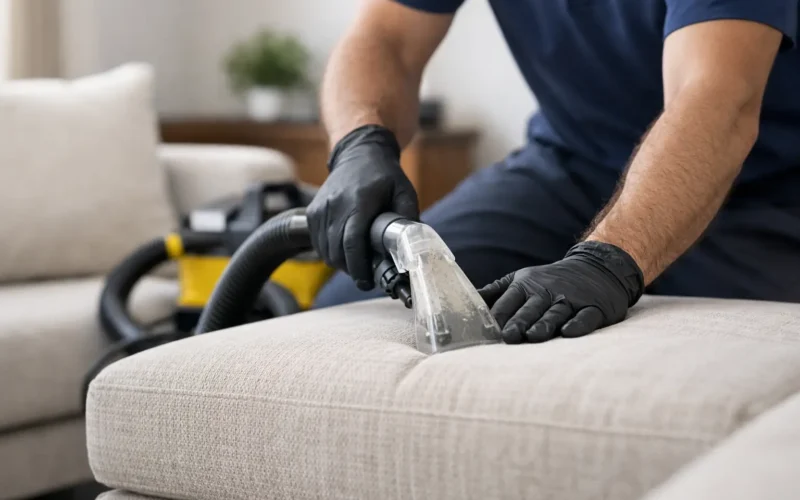
A lounge can look clean at a glance and still hold months of body oils, dust, pet hair, food residue and airborne allergens deep in the fabric. That is why professional upholstery cleaning services do more than freshen the surface. They deal with what settles into the fibres over time and help restore comfort, hygiene and appearance in a way regular vacuuming simply cannot.
For many homes and workplaces, upholstered furniture gets harder use than people realise. Sofas, dining chairs, office seating and waiting room furniture absorb daily wear quietly. You notice it gradually – a dull look to the fabric, a lingering smell, marks that never quite come out, or cushions that feel less fresh no matter how often the room is cleaned. At that point, proper cleaning is not just about presentation. It is about protecting the furnishing and improving the space people live or work in every day.
What upholstery cleaning services are really for
The main job of upholstery cleaning is to remove embedded soil without damaging the fabric. That sounds simple, but it depends heavily on the material, the construction of the furniture and the type of soiling involved. A lightly used occasional chair needs a different approach from a family sofa in a home with children and pets. Commercial seating also tends to need a more frequent maintenance plan because of constant traffic and a wider range of contaminants.
Professional cleaning can help with visible staining, but that is only part of the value. Fine dust, skin cells, pollen and moisture can all build up in soft furnishings. Over time, this can contribute to odours and a generally tired feel in the room. Regular maintenance helps keep those contaminants under control and extends the usable life of the furniture.
There is also a health aspect that matters to many households. If someone in the home deals with allergies, asthma triggers or sensitivities to dust and pet dander, soft furnishings should not be overlooked. Carpets often get the attention first, but lounges and upholstered chairs can hold just as much unwanted material.
Why DIY methods often fall short
Most people have tried spot cleaning with supermarket products at some point. Sometimes it works well enough for a minor spill caught straight away. Often, though, the result is patchy cleaning, over-wetting, detergent residue or a water mark that stands out more than the original spot.
The issue is not effort. It is technique. Upholstery fabrics vary widely, and using the wrong product or too much moisture can cause shrinkage, colour movement or fibre distortion. Even when no obvious damage occurs, leftover cleaning solution can attract more soil, which means the furniture gets dirty again faster.
That is where experience matters. Trained technicians identify the fabric, assess its condition and choose a method that suits the piece. Some fabrics respond well to hot water extraction. Others need low-moisture methods or more delicate treatment. The right process improves results and reduces the risk of problems after cleaning.
How professional upholstery cleaning is approached
A proper service usually starts with inspection rather than spraying and hoping for the best. The technician checks fibre type, wear levels, staining, problem areas and any risks such as colour instability. This step matters because not every fabric should be treated the same way, even if two pieces of furniture look similar from across the room.
After that, dry soil removal is often the first real stage of cleaning. This is important because loose dust and grit can turn into mud if moisture is added too early. Pre-treatment may then be applied to break down body oils, general soiling and selected stains. Agitation can help loosen the build-up in heavily used areas such as armrests, headrests and seat cushions.
The extraction or low-moisture cleaning stage removes the loosened soil from the fabric. Done correctly, this leaves the upholstery cleaner, fresher and with minimal residue. Drying is also a key part of the process. Faster, more controlled drying helps reduce the chance of odours, browning or re-soiling.
Some furnishings may also benefit from fabric protection after cleaning, particularly in active family homes or commercial settings. This does not make furniture stain-proof, but it can give you more time to respond to spills and make routine maintenance easier.
Upholstery cleaning services for homes
In residential settings, the most common pieces needing attention are sofas, modular lounges, armchairs, ottomans, dining chairs and fabric bedheads. These items collect more than obvious dirt. Everyday contact leaves behind oils from skin and hair, food crumbs, drink spills and pet-related mess. Homes with dogs or cats usually need more frequent attention because fur, dander and tracked-in soil settle quickly into fabric surfaces.
For families, regular upholstery cleaning is often part of keeping the home healthy and manageable rather than waiting until furniture looks heavily soiled. That is especially true for light-coloured fabrics, textured weaves and pieces used every day. Maintenance cleaning can help preserve the look and feel of the furniture before staining and wear become harder to address.
Renters, landlords and property managers also have practical reasons to stay on top of upholstery care. Clean presentation matters at the end of a lease, before new tenants move in, or when preparing a property for inspection. Upholstered furniture in furnished rentals can quickly show signs of use, and professional treatment helps bring it back to a cleaner standard.
Upholstery cleaning services for commercial spaces
Commercial furniture presents a different challenge. Office chairs, reception seating, partition fabrics and waiting room lounges deal with constant use, often from many different people over the course of a week. Even when marks are not obvious, the build-up of soil and odour can affect how clean the whole premises feels.
For offices, medical waiting areas, aged care environments, retail settings and hospitality spaces, upholstery cleaning supports both presentation and hygiene. A clean chair or lounge sends a clear message about how a business maintains its environment. It also helps protect assets that would otherwise deteriorate faster under heavy use.
In these spaces, consistency is usually more effective than occasional reactive cleaning. Scheduled maintenance prevents deep build-up and keeps furnishings in better condition over time. It also means less disruption than waiting until furniture becomes noticeably dirty.
When to book upholstery cleaning
There is no one-size-fits-all timetable, because usage patterns vary. A formal sitting room used once a week will not need the same frequency as the main family lounge or busy office seating. As a general guide, homes with children, pets or allergy concerns benefit from more regular cleaning than low-traffic households.
It is worth booking sooner if you notice persistent odours, visible darkening on arms or headrests, recurring dust, spill marks that have set in, or furniture that feels stale after routine vacuuming. Acting early usually delivers better results than waiting until the fabric is heavily loaded with soil.
For commercial clients, maintenance intervals are best based on traffic and the type of business. A reception area that sees daily public use will need a different schedule from a private boardroom. What matters most is having the upholstery assessed and cleaned before wear becomes permanent.
Choosing the right provider
Not all upholstery cleaning services are equal, and the difference often comes down to training, equipment and judgement. Upholstery cleaning requires more care than many general cleaning tasks because soft furnishings vary so much in fabric type, dye stability and construction.
Look for a provider with proven experience across residential and commercial work, staff who are properly trained, and equipment suited to both deep cleaning and controlled moisture use. It also helps when the company understands the broader picture of soft furnishing care, including rugs, mattresses, leather and fabric protection, because that usually reflects a stronger technical base.
For Sydney homes and businesses, working with a local operator that understands high-use family living, pet-related cleaning needs and the demands of commercial maintenance makes the process simpler. Sydneywide Carpet Cleaning approaches upholstery care with trained technicians, modern equipment and a practical focus on clean, healthy results that last.
What you can do between professional cleans
Day-to-day maintenance still matters. Regular vacuuming with the correct upholstery attachment helps remove dry soil before it settles deeper into the fabric. Spills should be blotted quickly rather than rubbed, as rubbing can spread the stain and push it further into the fibres. Rotating cushions where possible can also help distribute wear more evenly.
Still, home care has limits. Once oils, fine soil and odours have built up through the upholstery, a professional clean is usually the best way to reset the furniture properly. It is not about making an old lounge look brand new. It is about getting the best possible condition from the furnishing you already rely on.
Clean upholstery changes the feel of a room more than most people expect. It looks sharper, smells fresher and makes everyday seating more pleasant to use. When the work is done properly, the result is not just cleaner fabric – it is a more comfortable space to come home to or welcome clients into.