

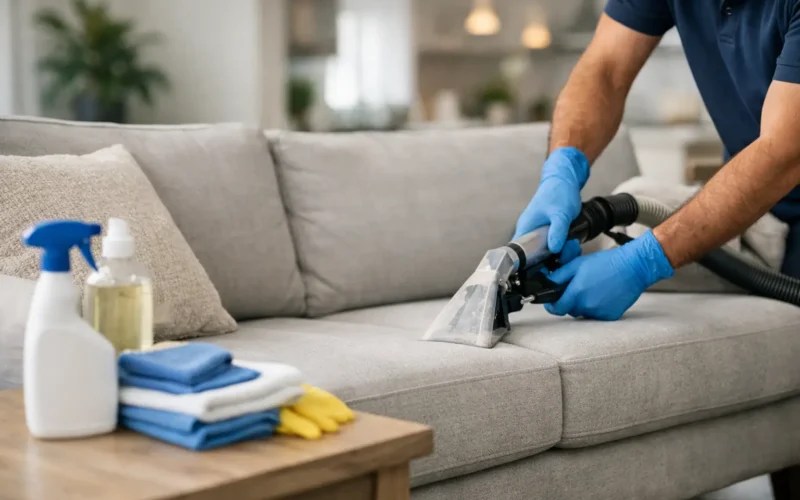
A lounge can look clean at a glance and still be carrying weeks or months of dust, body oils, food spills and pet residue. That is usually the point where inner west lounge cleaning stops being about appearance alone and starts becoming a practical way to improve hygiene, refresh the room and protect a piece of furniture you use every day.
In busy homes, lounges take more wear than almost any other soft furnishing. Kids climb on them, pets sleep on them, guests sit on them, and everyday life leaves its mark slowly rather than all at once. The result is often a fabric surface that looks dull, smells a bit tired, or shows visible staining around headrests, armrests and seat cushions.
Why lounge cleaning matters more than most people expect
Upholstery holds onto fine soils that regular vacuuming cannot fully remove. Dust settles into the fibres, skin oils build up where people sit most often, and small spills can dry invisibly before they later reappear as marks or odours. If the lounge is in a high-traffic family area, that build-up happens faster than many people realise.
There is also the comfort factor. A freshly cleaned lounge feels different. Fabric can feel lighter and less sticky, colours often look clearer, and the room itself feels better maintained. For households with children, pets or allergy concerns, proper cleaning also helps reduce the residue trapped in the upholstery.
This is one reason professional cleaning is not only for furniture that looks heavily stained. Routine maintenance can make a real difference long before a lounge reaches the point of looking neglected.
What professional inner west lounge cleaning actually addresses
A proper upholstery clean is designed to deal with more than surface dirt. Depending on the fabric and condition, the process may target dry soil, embedded grime, food and drink spills, body oil build-up, pet hair, pet odours and general fabric dullness.
Not every stain behaves the same way, and that matters. Some marks respond well to standard treatment, while others have already changed the dye structure of the fabric or set deep into the fibres over time. That is why honest assessment matters. Good lounge cleaning improves the overall condition significantly, but results can vary depending on fabric type, age, previous cleaning attempts and the cause of the stain.
That kind of practical expectation is important. The goal is always the best possible outcome without risking damage to the material.
Different fabrics need different methods
This is where experience counts. Upholstery is not a one-method job. Cotton blends, synthetics, linen-look fabrics, microfibre and delicate materials all respond differently to moisture, agitation and cleaning solutions. Leather lounges are a separate category again and require specialised care.
Using the wrong method can lead to overwetting, shrinkage, watermarking, texture change or colour loss. A lounge that has been cleaned too aggressively may end up looking worse even if the original stain is reduced. Professional technicians are trained to identify fabric type, test for colour stability and choose a suitable cleaning approach based on the construction and condition of the lounge.
In practical terms, that means some lounges are best suited to hot water extraction, while others benefit from low-moisture or specialised upholstery cleaning methods. The right method is the one that cleans effectively while respecting the fabric.
Common problem areas on lounges
Most lounges do not wear evenly. The dirtiest sections are usually the armrests, headrests and front edge of the seat cushions. These areas collect repeated contact from hands, skin oils, hair products and general friction. In family homes, one favourite seat often tells the whole story.
Cushion creases can also trap crumbs, dust and fine grit, while the sides and back panels may hold more dust than visible grime. If pets are part of the household, extra attention is often needed for hair, dander and odour control.
Signs your lounge is due for cleaning
Some lounges clearly need attention, but others show more subtle signs. If the fabric looks darker in the seating positions, feels slightly tacky on the arms, carries a stale odour, or no longer matches the cleaner sections hidden under cushions, it is probably due for professional care.
Another common sign is when vacuuming no longer makes much difference. Once soil is embedded below the surface, standard home cleaning reaches its limit. Spot cleaning can also become less effective over time, especially if different products have been used on the same area.
For rental properties, end-of-lease preparation, or routine property maintenance, upholstery cleaning can also help present the space more professionally and reduce long-term wear.
How often should a lounge be professionally cleaned?
It depends on how the furniture is used. In an average household, a professional clean every 12 to 18 months is a sensible maintenance schedule. Homes with pets, young children, frequent entertaining or heavy daily use usually benefit from more regular attention.
Commercial waiting areas, offices and shared seating zones often need a tighter cleaning cycle because of the volume of use. In those settings, appearance matters, but so does presenting a clean and well-maintained environment for staff, visitors and customers.
The key is not waiting until the lounge looks beyond help. Regular maintenance generally gives better long-term results than infrequent heavy restoration work.
The value of trained technicians and proper equipment
Lounge cleaning looks simple from the outside. Spray, scrub, extract. In reality, getting a strong result without causing damage takes judgement, training and suitable equipment.
Certified technicians understand fibre behaviour, moisture control, stain treatment and residue management. They know when a fabric can handle deeper cleaning and when a more cautious approach is the safer option. That matters especially with delicate upholstery, modular lounges, older furniture and pieces that have already had a few rounds of home spot cleaning.
Modern equipment also makes a difference. Effective extraction helps remove suspended soil and cleaning residues from the fabric instead of just shifting them around. Better moisture control supports cleaner results and more appropriate drying conditions.
For clients who want confidence in the process, this is where experience and standards-based training stand out. Sydneywide Carpet Cleaning focuses on professional soft furnishing care backed by experienced staff and up-to-date equipment, which is exactly what lounge cleaning requires.
Inner west lounge cleaning for homes with pets and kids
Some homes simply put more pressure on upholstery. If you have a dog that treats the lounge as its second bed or small children who snack wherever they land, routine cleaning becomes less of an occasional fix and more of a sensible maintenance habit.
Pet odours can settle into fabric over time, particularly if there have been accidents or repeated damp contact. Food spills may leave behind sugar, oil or protein residues that attract more soil if not treated properly. Even when marks are not obvious, the lounge can start to feel tired well before the fabric reaches the end of its life.
In these households, cleaning is about restoring freshness and helping the lounge hold up under real use. It can also reduce the temptation to overuse supermarket spot cleaners, which often leave residues or create patchy results.
What to do before and after a professional clean
Before the appointment, it helps to remove loose items such as throws, cushions and toys, and make note of any specific stains or odours that need attention. If there have been previous spill treatments, mentioning that can also be useful because it may affect the cleaning approach.
After cleaning, the main priority is allowing suitable drying time. That varies depending on the fabric, method used and airflow in the room. Good ventilation helps, and it is usually best to wait until the upholstery is properly dry before returning it to full use.
If fabric protection is recommended for the material, it can be a practical way to help slow down future staining and make maintenance easier. It is not a force field, but it can improve day-to-day manageability in busy households.
Choosing a service with the right experience
When booking upholstery care, it is worth choosing a provider that understands more than basic stain removal. Lounge cleaning sits at the intersection of fabric care, hygiene, presentation and asset protection. The right team should be able to assess the material properly, explain what is realistically achievable and use methods that match the lounge rather than forcing a standard process onto every job.
That is especially relevant for larger modular suites, mixed-fabric furniture, or lounges in commercial spaces where appearance and reliability both matter. Experience helps with the unusual jobs as much as the routine ones.
A well-used lounge does not need to stay dull, marked or tired-looking. With the right cleaning approach, it can come up fresher, cleaner and far more comfortable to live with – which is exactly what good upholstery care should deliver.