

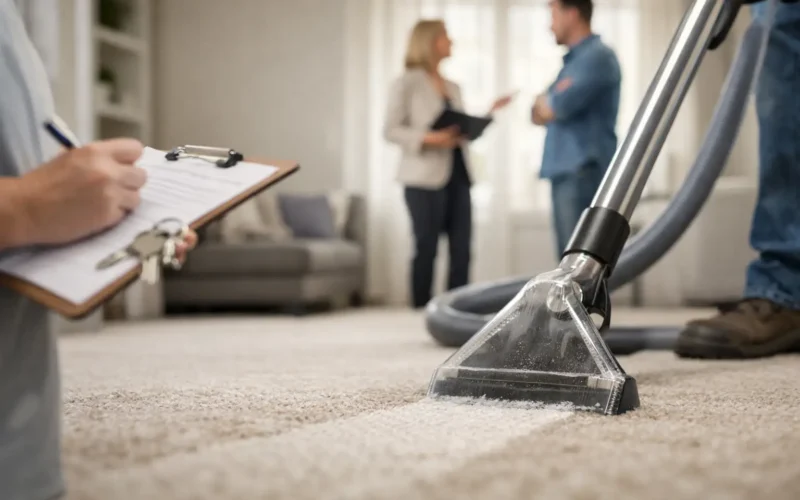
A carpet can look acceptable during everyday living, then show every mark once furniture is removed and sunlight reaches the floor. Carpet cleaning for rental inspections is about more than a quick vacuum before handing back the keys. It is a practical step to address stains, embedded soil, pet odours and high-traffic areas that may be noticed during the final condition report.
For tenants, a professional clean can help present the property in a well-maintained condition. For landlords and property managers, it provides a clearer view of the carpet’s actual condition, rather than a surface hidden by dust, spills or lingering smells. The right approach depends on the carpet fibre, its age, the type of soiling and what has been recorded in the original entry condition report.
What inspectors often notice first
Rental inspections are usually visual, but they are not limited to what can be seen from the doorway. Empty rooms make traffic lanes more obvious, particularly in hallways, living areas and around beds or sofas. Darkened paths, flattened pile and light-coloured patches can stand out once the property has been cleared.
Odours can also affect the impression of a room. Pet smells, food spills, smoke residue and moisture issues may remain in the carpet backing or underlay even when the surface appears clean. Air fresheners may cover an odour briefly, but they do not remove its source. A proper cleaning process is designed to treat the affected area rather than simply mask it.
Inspectors may also look closely at obvious spots such as drink spills, makeup, ink, grease near kitchen entries, mud by doors and marks around skirting boards. Not every stain can be fully removed, especially if it is old, chemically altered or has damaged the carpet fibre. However, treating it professionally gives the best chance of improving the result and documenting that reasonable care has been taken.
Carpet cleaning for rental inspections starts with the report
Before booking any cleaning, read your tenancy agreement and compare the property with your entry condition report. This helps separate pre-existing wear from marks that occurred during your tenancy. Photographs taken at the start and end of the lease can be useful where there is uncertainty about a stain, fading or damaged pile.
Normal wear and tear is different from neglect or accidental damage. A carpet that has gradually flattened in a busy walkway may show ordinary use, while a large untreated red wine stain or pet urine odour may require further attention. The distinction is not always simple, which is why records matter.
If the agreement specifies professional carpet cleaning, follow that requirement and retain the completion receipt. If it does not, consider the carpet’s condition honestly. A nearly new carpet with light dust may need less work than a home with pets, children, frequent entertaining or a long tenancy. Trying to clean heavily soiled carpet with a hired machine at the last minute can leave behind residue, excess moisture or uneven results.
Why professional cleaning makes a difference
Vacuuming removes loose dust and debris, but it cannot extract much of the soil that has settled deep in the pile. Professional equipment uses controlled water, cleaning solutions and extraction to lift embedded contaminants while reducing the risk of overwetting.
The cleaning method should suit the carpet. Steam cleaning, also called hot water extraction, is commonly used for synthetic and many wool carpets when carried out correctly. It can provide a thorough clean for general soiling, traffic lanes and many common stains. Dry cleaning methods may be suitable where fast drying is essential or where the carpet requires lower moisture cleaning.
There is no single method that suits every rental property. Wool carpets, delicate rugs, natural fibres and carpets with prior water damage need careful assessment. An experienced technician can identify the fibre type, test treatments where needed and select cleaning products that are appropriate for the material.
At Sydneywide Carpet Cleaning, trained technicians assess the carpet before starting work, paying attention to stains, fibre type, odours and areas of heavy use. This helps set realistic expectations and supports a cleaning result that is suitable for an end-of-lease presentation.
Give carpets enough time to dry
One of the most common end-of-lease mistakes is leaving carpet cleaning until the final few hours before the inspection. Even when extraction cleaning is performed correctly, carpets need time to dry. Drying time varies with humidity, airflow, carpet thickness, ventilation and the amount of soil being treated.
Arrange cleaning early enough to allow the property to air out. Open windows where safe, use fans if available and keep the space ventilated. Avoid moving furniture back onto damp carpet, as this can cause marks, slow drying and restrict airflow.
Sydney’s weather can make planning particularly useful. Damp or humid conditions can extend drying times, while a well-ventilated property on a dry day may dry much faster. Cleaning one or two days before the final inspection is generally more practical than doing it on moving day.
Treat stains carefully before they become permanent
Fresh spills are easier to manage than old stains. Blot liquid promptly with a clean white cloth, working from the outside of the spill towards the centre. Rubbing can spread the stain and push it further into the fibres.
Avoid applying random household products without checking whether they are suitable for the carpet. Bleach, strong degreasers and some supermarket stain removers can strip colour, leave sticky residue or create permanent pale patches. This is especially risky on wool, patterned carpet and darker colours.
When booking a professional clean, mention known stains and their likely cause. Coffee, wine, pet accidents, oil, makeup and ink often require different treatment. Clear information lets the cleaner prepare the correct solutions and allocate suitable time to the job.
Pet-related issues deserve early attention. Urine can travel below the carpet surface into the backing and underlay, particularly if the area has been repeatedly used. Surface cleaning may improve the appearance but not fully resolve the odour. A targeted treatment may be needed, and severe contamination can sometimes require further assessment.
Don’t confuse clean carpet with repaired carpet
Cleaning can remove soil and improve appearance, but it cannot repair every problem. Burns, tears, pulled threads, bleach spots, dye loss, worn sections and permanent pile crushing are forms of damage rather than dirt. They may need repair, replacement or separate discussion with the property manager.
Being upfront is usually better than hoping damage will go unnoticed. Notify the agent early if you identify an issue, particularly if you need time to arrange a repair. Leaving it until the final inspection can create unnecessary pressure and reduce the options available.
The same applies to water damage. If a carpet has been affected by a leak, overflowing appliance or flooding, it needs prompt attention. Moisture trapped beneath the carpet can lead to odours, staining and mould growth. Emergency restoration is a different service from routine cleaning and should be addressed quickly.
A practical end-of-lease carpet checklist
A short plan can prevent rushed cleaning in the final days of a tenancy:
- Review the tenancy agreement and entry condition report.
- Remove furniture and personal items so all carpeted areas are accessible.
- Vacuum thoroughly before professional cleaning, including edges and wardrobes.
- Identify stains, odours and damaged areas before the appointment.
- Book cleaning with enough drying time before the inspection.
- Keep your cleaning receipt and take clear final photographs once the carpet is dry.
This preparation also helps the cleaning technician work more efficiently. Clear access means every room, closet and edge can be properly assessed rather than cleaned around boxes and furniture.
Aim for a clean, honest handover
The goal is not to make an older carpet look brand new. It is to return the property clean, hygienic and properly cared for, while recognising pre-existing wear and any damage that needs separate action. A professional clean is most effective when it is planned early, matched to the carpet and supported by clear tenancy records.
Before the final walkthrough, take a slow lap through each empty room in natural light. Look from more than one angle, check for missed marks and make sure the carpet is dry. That small amount of preparation can make the handover calmer and give you confidence that the home is ready to be inspected.