

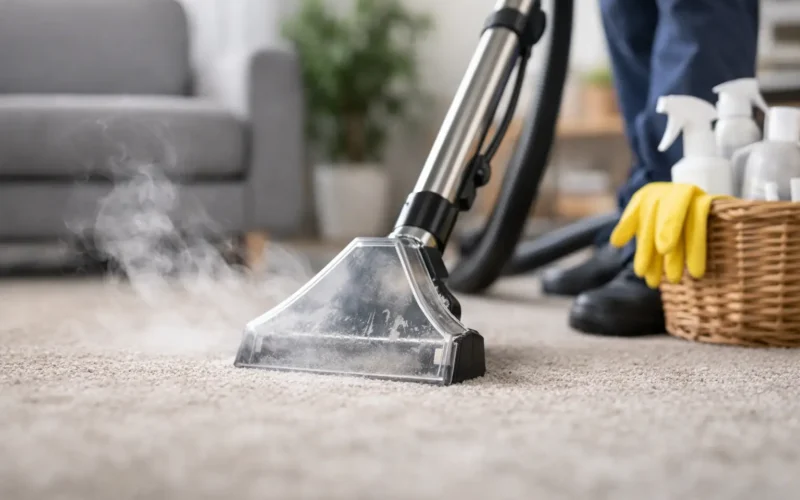
A carpet can look clean and still hold an odour that becomes obvious the moment the room is closed up. Pet accidents, spilled drinks, cooking residue, smoke, dampness and everyday foot traffic can all settle below the visible surface. So, can professional cleaning remove carpet odours? In many cases, yes – provided the source of the smell is identified and treated rather than simply covered up.
Professional carpet cleaning is designed to remove embedded soil, residues and contaminants from carpet fibres and backing. The best result comes from matching the cleaning method and odour treatment to the cause, then drying the carpet properly. Where an odour has reached the underlay, subfloor or walls, further restoration work may be needed.
Why carpets hold onto smells
Carpet fibres act like a filter. They collect dust, skin cells, pet hair, pollen, food particles and moisture over time. These materials can feed bacteria or mould, particularly in humid conditions or after a spill that was not fully dried. The resulting smell may be musty, sour, stale or simply unpleasant without having one obvious cause.
Pet odours are often more persistent because urine can travel through the pile and into the backing and underlay. Once it dries, crystals and residue may remain. Humidity can reactivate the smell, which is why a room may seem fine on a dry day but noticeably worse after rain or when the heater is running.
Smoke and cooking odours behave differently. Fine airborne particles settle across large areas, including carpets, rugs, curtains and upholstery. A basic surface clean may improve the room, but it may not be enough if several soft furnishings are holding the same odour.
Can professional cleaning remove carpet odours at the source?
A professional clean can remove many carpet odours because it deals with the material causing the smell, not just the air above the carpet. High-powered extraction equipment flushes loosened soil and cleaning solution from deep within the pile while removing a significant amount of moisture. This is very different from spraying perfume or using a supermarket deodoriser, which may only mask the problem temporarily.
For odours caused by tracked-in dirt, food spills, general use or light pet contamination, a thorough professional clean often produces a clear improvement. Certified technicians assess the carpet type, level of soiling and likely contamination before selecting suitable products and methods. This helps protect the fibres while achieving a more hygienic result.
However, no responsible cleaner should promise that every odour will disappear from every carpet. Results depend on how long the contamination has been present, how much liquid was involved, whether earlier cleaning attempts set the stain or residue, and whether the underlay or subfloor has been affected.
Pet urine needs more than a general clean
Pet urine is a common reason households call for odour treatment. The visible mark can be small, while the affected area underneath is much larger. An effective approach may involve locating the contamination, applying a treatment intended to break down odour-causing residue, allowing adequate dwell time, then extracting the area thoroughly.
If urine has soaked through repeatedly, the underlay may retain the smell even after the carpet itself is cleaned. In severe cases, sections of underlay may need replacement and the subfloor may require treatment. This is not a failure of the carpet clean – it is a practical response to contamination that has travelled beyond the carpet.
Damp and musty odours require a moisture check
A musty smell should never be treated as a cosmetic issue alone. It can indicate that the carpet, underlay or subfloor remains damp after a leak, overflowing appliance, rainwater entry or previous flooding. Cleaning a damp carpet without resolving the moisture source can allow the odour to return and may create conditions for mould growth.
Professional assessment is particularly valuable after water damage. Rapid extraction, controlled drying and appropriate treatment can help reduce odour and limit further damage. If the carpet has been wet for an extended period or contaminated water was involved, restoration options need to be considered carefully.
What happens during professional odour treatment
The process begins with inspection. A technician checks the condition of the carpet, asks about the odour and its history, and looks for likely sources such as stains, pet areas or signs of water damage. This step matters because the right treatment for a food spill is not necessarily the right treatment for urine, smoke or mould-related odours.
The carpet is then vacuumed or prepared as needed, followed by a suitable pre-treatment. Professional cleaning equipment provides deeper soil removal than household machines, particularly where dirt and residue have settled around the base of the fibres. Depending on the cause, targeted deodorising or enzyme-based treatments may be used before or during extraction.
Proper drying is part of the job, not an afterthought. A carpet left overly wet can develop a damp smell of its own. Good extraction removes as much moisture as possible, while ventilation and air movement help the carpet dry efficiently. Avoid walking on the carpet until it is dry where practical, and keep pets and children away from treated areas until advised otherwise.
When cleaning alone may not be enough
Some odours have moved beyond the carpet. If the smell remains strong after a correctly performed treatment, it may be coming from the underlay, subfloor, skirting boards, wall cavities, furniture or an unresolved plumbing leak. In rental properties and commercial spaces, previous occupants may also have left long-term smoke or pet contamination across several surfaces.
In these situations, replacing carpet without treating the underlying source can be an expensive mistake. The new carpet may absorb the same smell. A clear inspection helps determine whether further work is needed before making that decision.
There are also limits where carpet is heavily degraded, mould-damaged or repeatedly saturated with pet urine. Replacement may be the more sensible option, particularly where hygiene, indoor air quality or tenant handover standards are a concern. Honest advice is more useful than a short-lived result.
How to keep carpet odours from returning
Routine maintenance makes odour removal easier and protects the life of the carpet. Vacuum regularly, especially in entry areas, living rooms and homes with pets. Attend to spills promptly by blotting rather than scrubbing, and avoid soaking the carpet with household cleaners. Scrubbing can push contamination deeper and damage the pile.
Pet accidents should be treated quickly, using products suited to the carpet and the nature of the contamination. If the area has been affected more than once, professional treatment is usually more effective than repeatedly adding deodorisers. Where cooking or smoke is the issue, cleaning upholstery, rugs and curtains at the same time may help prevent the smell from transferring back into the carpet.
Regular professional cleaning is also a practical part of maintaining a healthier indoor environment. It removes the fine soil and residue that ordinary vacuuming cannot reach, supports a fresher home or workplace, and helps carpets continue to look their best.
A better result starts with the right diagnosis
The question is not only whether professional cleaning can remove carpet odours, but what is causing the odour and how far it has travelled. A trained technician can separate a surface-level problem from deeper contamination and recommend a realistic treatment plan.
For Sydney homes, rental properties and workplaces, Sydneywide Carpet Cleaning brings experienced, trained care and modern equipment to routine odour concerns as well as urgent water-damage situations. Acting early gives the best chance of restoring the carpet, improving the room’s hygiene and preventing a small smell from becoming a larger restoration issue.