

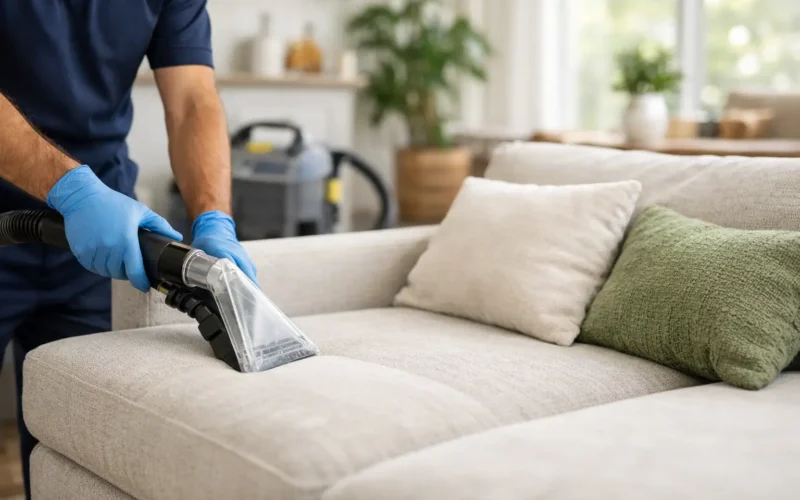
A fabric sofa can look clean from across the room while holding months of body oils, dust, pet hair, food residue and everyday allergens below the surface. Professional upholstery cleaning North Shore households rely on is designed to remove that embedded build-up safely, helping furniture look better, smell fresher and remain comfortable for longer.
For busy homes, renters preparing for an inspection, landlords between tenancies and workplaces maintaining client areas, upholstery is often one of the most-used surfaces in the property. Regular vacuuming helps, but it cannot provide the deep clean needed to protect fibres and improve hygiene over time.
Why upholstered furniture needs specialist care
Lounges, dining chairs, armchairs, ottomans and fabric bedheads all collect soil in different ways. Natural oils from hands and skin can darken armrests and headrests. Crumbs settle into seams, while dust and allergens work their way beneath the visible fabric. Homes with children or pets may also deal with spills, muddy paws, fur and lingering odours more often.
The right cleaning method depends on the material, its construction and the type of soiling present. Some fabrics respond well to hot water extraction, while others require low-moisture cleaning or a more carefully controlled process. Using an unsuitable product or applying too much water can leave water marks, weaken fabric backing, cause colour bleeding or extend drying time unnecessarily.
That is why professional assessment matters. A trained technician can identify the fabric type, inspect worn or stained areas, test suitable cleaning solutions in an inconspicuous spot and select a method that balances cleaning results with fabric safety.
Upholstery cleaning North Shore homes can trust
North Shore homes range from busy family households to apartments, heritage properties and contemporary interiors with premium furnishings. Each setting brings different cleaning needs. A light-coloured modular sofa in a family room may need attention for food marks and daily wear, while a delicate occasional chair may require a gentler approach to preserve its colour and texture.
Sydneywide Carpet Cleaning provides on-site upholstery care using up-to-date equipment and trained technicians. With more than 15 years of experience across Sydney, the focus is on practical results: removing accumulated soil where possible, improving the presentation of furniture and supporting a cleaner indoor environment.
No professional cleaner should promise that every stain will disappear. Old marks, dye transfer, sun fading, bleach damage and certain synthetic spills can permanently alter fabric. However, a professional clean can often substantially improve affected areas and prevent a small issue from becoming more noticeable through repeated incorrect spot treatment.
Stain removal is about timing and treatment
Fresh spills are usually easier to manage than stains that have been rubbed deep into the fabric or left to dry. If a spill occurs, blot it promptly with a clean, dry white cloth. Avoid scrubbing, as this can spread the spill, distort the pile and push residue further into the upholstery.
Be cautious with supermarket stain removers and DIY mixtures. A product that works on one fabric can damage another, and heavily fragranced sprays may mask odours without removing the source. It is also common for detergent residue to attract fresh dirt after a poorly rinsed DIY clean.
Professional treatment starts with identifying what has caused the mark, whether it is coffee, food, pet residue, ink, makeup or general soil. The cleaner can then apply an appropriate solution, allow adequate dwell time and extract or treat the area using the safest practical method. Results depend on the fabric and age of the stain, but early action gives the best chance of improvement.
What a professional upholstery clean involves
A thorough service is more than spraying fabric and extracting it. The process generally begins with an inspection of the upholstery, including fibre type, colour stability, stain locations and existing wear. This helps determine the safest cleaning approach before work begins.
Furniture is then vacuumed or prepared to remove loose dry soil, especially around joins, cushions and crevices. Appropriate cleaning agents are applied to break down oils and embedded grime, with extra attention given to high-contact areas such as armrests, seat cushions and headrests.
Depending on the fabric, the technician may use controlled hot water extraction, low-moisture cleaning or another suitable method. The aim is to lift soil and residues without over-wetting the upholstery. Good extraction is especially important because it reduces drying time and helps leave the fabric feeling clean rather than sticky.
After cleaning, the furniture should be left to dry with good airflow in the room. Opening windows where practical, running ceiling fans or using air conditioning can help. Drying times vary according to the fabric, weather, ventilation and cleaning method, so it is sensible to avoid using the furniture until it is fully dry.
How often should upholstery be professionally cleaned?
For most households, professional upholstery cleaning every 12 to 18 months is a sensible maintenance schedule. This can vary depending on how often the furniture is used and who uses it. Families with young children, indoor pets, allergy concerns or frequent visitors may benefit from more regular cleaning.
A sofa in a formal sitting room may only need occasional professional attention, while the main lounge in a busy household can accumulate heavy soil surprisingly quickly. Waiting until fabric looks visibly dirty is not always the best measure. By that stage, oils and fine particles may already be affecting the appearance and feel of the upholstery.
Regular care can also help preserve the life of your furniture. Soil particles can act like fine abrasives in fabric, particularly in high-use areas. Removing this build-up supports the condition of the fibres and keeps colours looking more even over time.
Preparing your furniture for cleaning
A few simple steps can help make the appointment more efficient and ensure the technician can access the areas that need attention. Before the service, remove personal items from the furniture and clear small objects from nearby surfaces. If possible, move delicate ornaments, children’s toys and breakables from the immediate work area.
It also helps to point out stains, odours, previous cleaning attempts and any areas of concern before cleaning begins. This gives the technician useful context and allows for realistic advice about likely results. If you have manufacturer care labels or know the age and history of a piece, share that information as well.
For large modular lounges or heavy furniture, it is best to discuss access requirements when arranging the service. Some areas behind or beneath fixed pieces may not be reachable without moving them, and the safest option depends on the room layout and the furniture itself.
Cleaner furniture for homes, rentals and workplaces
Upholstery cleaning is not only for household lounges. Dining chairs, office seating, reception furniture, restaurant booths and waiting-room chairs all benefit from scheduled professional maintenance. In commercial settings, clean seating contributes to a better first impression while reducing the visible wear that can make an otherwise well-kept space feel neglected.
For landlords and property managers, upholstery cleaning can also be useful between tenancies when furnished properties need to be presented in their best condition. It is a practical way to address everyday use, improve odours and maintain the value of furniture that would be costly to replace.
Fabric protection may be worth considering after cleaning for suitable upholstery, particularly in homes with children or pets. It does not make fabric stain-proof, and spills should still be attended to quickly, but it can provide extra time to blot accidental spills before they set.
A well-used sofa should feel like part of a comfortable home, not a source of hidden grime or stubborn odours. Booking professional care before the fabric becomes heavily soiled is one of the simplest ways to keep your favourite furniture fresh, presentable and ready for everyday life.