

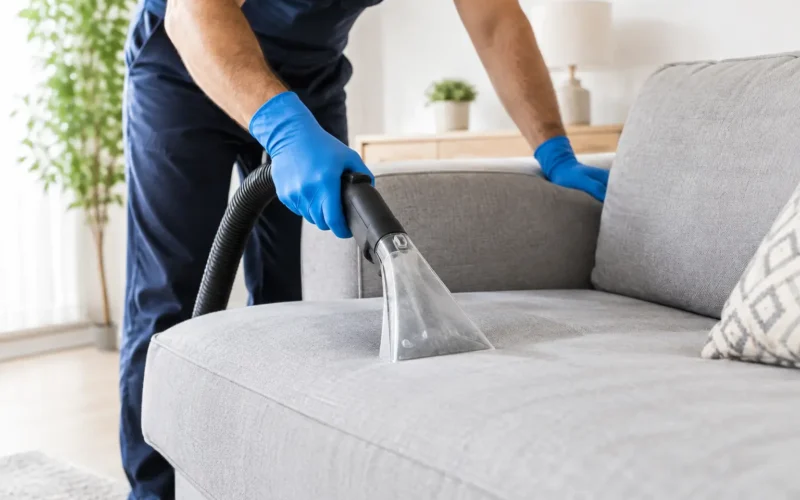
A pale sofa can look fine from across the room while holding months of body oils, food crumbs, pet hair and fine dust in its fibres. Professional furniture cleaning addresses the build-up that vacuuming and surface wiping leave behind, helping to keep upholstered and leather pieces cleaner, healthier and more comfortable to use.
Furniture is one of the hardest-working parts of a home or workplace. Lounge suites, dining chairs, office seating and occasional chairs are touched every day, often by several people. Regular care does more than improve appearance. It can help protect the material, reduce lingering odours and remove the fine contaminants that settle deep below the surface.
Why furniture cleaning needs a tailored approach
There is no single cleaning method that suits every piece of furniture. Fabric upholstery, leather, suede-look materials, velvet, linen and synthetic blends all respond differently to moisture, heat and cleaning solutions. A method that works well on a durable polyester couch may leave water marks on a delicate natural fibre fabric or damage the finish on leather.
Professional assessment is the first step. A trained technician checks the upholstery fibre, colour stability, soil level and any existing stains before selecting an appropriate process. This is particularly valuable for expensive furniture, inherited pieces and items with manufacturer care labels that limit the use of water or certain products.
For many fabric lounges and chairs, hot water extraction is effective at flushing embedded soil from the fibres. Other materials may require low-moisture cleaning, careful hand treatment or specialised leather cleaning products. The aim is always the same: remove as much soil and residue as possible without over-wetting the material or compromising its appearance.
What builds up on upholstered furniture
Daily use leaves more behind than most people realise. Even in a tidy home, upholstery collects particles that are not always visible until the fabric starts looking dull or feeling rough. Households with children, pets, frequent visitors or allergy concerns often benefit from more regular attention.
Common contaminants include:
- Body oils, perspiration and skin cells that darken armrests, headrests and seat cushions.
- Dust, pollen and other airborne particles that settle into cushions and seams.
- Food and drink spills, including sugars that can leave a sticky residue and attract further soil.
- Pet hair, dander, outdoor dirt and pet-related odours.
- Smoke, cooking odours and airborne oils, especially in open-plan living areas.
Office furniture faces a different mix of challenges. Shared chairs and reception seating can develop visible traffic marks, while meeting-room upholstery may hold coffee spills and odours over time. Routine commercial furniture cleaning helps maintain a professional presentation for staff, tenants and visitors.
When should furniture be professionally cleaned?
The right frequency depends on how the furniture is used. As a general guide, a lightly used lounge in a pet-free home may need professional cleaning every 12 to 18 months. Busy family seating, rental properties, homes with pets or smokers, and commercial upholstery often need cleaning more frequently.
A visible stain is not the only reason to book a service. Dull fabric, recurring odours, darkened armrests, increased sneezing when sitting on the lounge and a general feeling that furniture is no longer fresh are all useful signals. Cleaning before the soil becomes heavily embedded usually produces a better result and can be gentler on the fabric over the long term.
For landlords and property managers, upholstery cleaning can also be useful between tenancies where furnished properties need to be presented in clean, hygienic condition. In workplaces, scheduling maintenance around quieter periods can keep disruption low while protecting shared furnishings.
The difference between spot cleaning and professional care
Acting quickly after a spill is sensible, but household spot cleaning has limits. Rubbing a spill can push it further into the fibres, spread the affected area and distort the pile. Applying too much water can create a larger water mark, and using the wrong product may set a stain or remove colour.
For a fresh spill, blot gently with a clean white cloth or paper towel. Work from the outside towards the centre and avoid scrubbing. Do not soak the fabric, and do not use bleach, dishwashing liquid or an all-purpose cleaner unless the manufacturer specifically approves it. Those products can leave a residue that attracts dirt or can damage dyes and protective coatings.
Professional furniture cleaning uses equipment designed to lift loosened soil while extracting moisture and residues. This is a key difference from simply shampooing a surface. Proper extraction helps reduce the chance of sticky residue remaining in the upholstery and supports more even drying.
Some stains, including red wine, ink, makeup, pet accidents and old food spills, may need specialised treatment. Complete removal cannot be guaranteed in every case, particularly where a stain has altered the dye or been treated repeatedly with unsuitable products. An experienced technician can identify what is likely to respond to cleaning and take the safest practical approach.
Looking after leather furniture
Leather needs a different routine from fabric upholstery. It can dry out, crack or lose its protective finish if treated with harsh household cleaners, excess water or unapproved oils. A quick wipe with a dry or slightly damp soft cloth can manage day-to-day dust, but deeper cleaning should be carried out with products suited to the leather type and finish.
Professional leather cleaning removes built-up body oils and grime, particularly from contact areas such as headrests and armrests. Conditioning may then help maintain suppleness where appropriate. However, leather is not all the same. Pigmented leather, aniline leather, nubuck and suede require different care, so testing and identification matter before treatment begins.
Keep leather furniture away from prolonged direct sunlight where possible, as UV exposure can fade colour and dry the surface. It is also wise to clean up spills promptly and avoid placing it directly beside a heat source.
Drying time, ventilation and everyday preparation
Drying time varies according to the material, cleaning method, ventilation, weather and how heavily soiled the furniture was. Low-moisture methods can dry relatively quickly, while deeper extraction cleaning may take longer. Good airflow makes a meaningful difference, so opening windows where practical and using fans can assist drying.
Before a professional appointment, clear small items such as throws, cushions, toys and side tables from around the furniture. Mention any known stains, previous cleaning attempts, pet accidents or fabric concerns. This information helps the technician choose the right treatment from the outset.
After cleaning, avoid using the furniture until it is dry where possible. Keep pets and children away from damp upholstery, and do not replace decorative cushions or throws until the fabric has fully dried. If a treated area appears slightly different while damp, allow it to dry completely before assessing the final result.
Protecting furniture between cleans
A few practical habits can extend the benefits of professional cleaning. Vacuum upholstered furniture with a suitable attachment every week or two, paying attention to crevices, under cushions and along piping. Rotate and flip cushions where the manufacturer permits it, which can reduce uneven wear and compression.
Fabric protection can be a worthwhile option for suitable upholstery, particularly in busy homes and commercial settings. It does not make furniture stain-proof, but it can give you more time to blot spills before they penetrate the fibres. Protection should be applied correctly and may need reapplication after professional cleaning.
Sydneywide Carpet Cleaning provides trained, on-site care for upholstery, leather and other soft furnishings across metropolitan Sydney. With the right cleaning method and consistent maintenance, the furniture you rely on every day can stay fresher, feel better and serve your space for longer.