

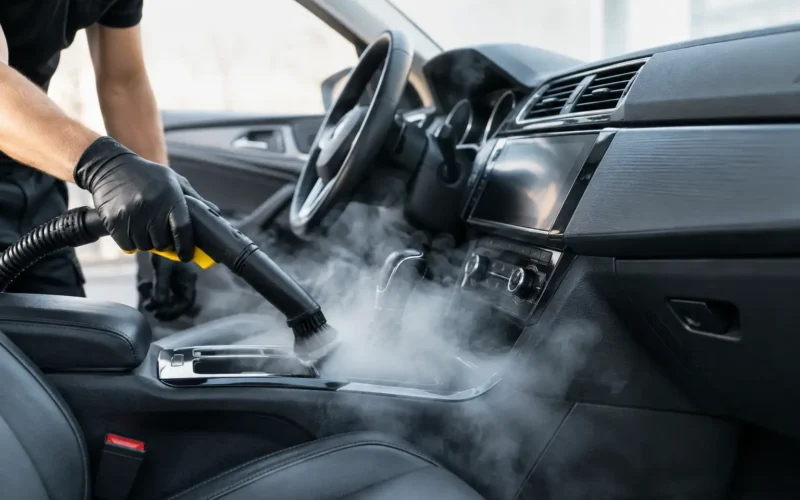
A clean windscreen and polished exterior can make a vehicle look well cared for, but the cabin is where drivers and passengers spend their time. Car interior steam cleaning targets the dirt that settles into fabric seats, carpet, door trims, cup holders and hard-to-reach gaps – helping remove grime without soaking every surface.
For busy Sydney households, work vehicles and family cars, steam cleaning can be a practical part of regular vehicle care. It is particularly useful after school runs, beach trips, muddy sport, pet travel or a long stretch of daily commuting. The best results, however, depend on the vehicle materials, the condition of the interior and using the right amount of heat and moisture in the right places.
What car interior steam cleaning does
Steam cleaning uses heated vapour delivered at controlled pressure to loosen surface grime, oily residue and embedded dirt. In a vehicle, it can be used carefully on many hard interior surfaces and, where suitable, as part of a deeper cleaning process for upholstery and carpets.
The key benefit is precision. A trained cleaner can direct steam into areas that are awkward to clean by hand, such as around gear selectors, seat rails, air vents, stitching, door pockets and the edges of floor mats. The softened soil is then lifted away with microfibre cloths, detailing tools or extraction equipment where needed.
Steam is not a shortcut for every cleaning task. Heavy soiling in fabric seats or carpet often needs pre-treatment and hot-water extraction to flush loosened contaminants out of the fibres. Steam may assist the process, but extraction is what helps remove dissolved soil and excess moisture from deeper within textile surfaces.
Where steam can make the biggest difference
Vehicle interiors collect a mixture of dry soil, skin oils, food residue, dust and airborne pollutants. A standard vacuum removes loose debris, but it cannot fully address the sticky film that forms on frequently touched surfaces. Steam is especially useful for detailed cleaning of steering wheels, interior door handles, centre consoles, dashboard surrounds and cup holders, provided the surface is suitable.
It can also refresh rubber mats, plastic trims and the grooves around pedals. These areas often hold grime that brushes and wipes struggle to reach. In a family vehicle, this detailed work can noticeably improve the look and feel of the cabin without masking odours with heavy fragrance.
Fabric upholstery and carpet benefit when steam cleaning is used as one step in a broader professional process. Seats can hold dust, body oils, spills and pet hair beneath the visible surface. Carpet traps grit that gradually wears fibres down underfoot. Proper vacuuming, stain treatment, controlled cleaning and drying all matter if the goal is a genuinely clean interior rather than a briefly improved appearance.
The materials that need extra care
Not every surface should receive direct steam. Leather, suede, Alcantara-style finishes, unsealed timber trims, delicate headliners, damaged plastics and electronic controls all require careful assessment. Excess heat or moisture can affect adhesives, cause staining, alter finishes or create problems around switches and screens.
Leather is a common example. It may need specialist cleaning followed by an appropriate conditioning treatment rather than direct steam exposure. Likewise, the roof lining can sag if it becomes too wet because the adhesive behind the fabric may weaken. A professional cleaner adjusts the method to the material instead of applying one approach across the entire cabin.
Why professional equipment and technique matter
A small domestic steam unit can be useful for light detailing, but vehicles are compact spaces with varied materials packed closely together. The challenge is not simply producing steam. It is controlling temperature, pressure, dwell time and moisture while removing the loosened soil effectively.
Experienced technicians inspect the interior first. They identify the fabric type, check for existing wear, locate stains and assess whether odours are coming from upholstery, carpet, the boot, air-conditioning components or a past spill that has reached the underlay. This prevents the wrong method being used on sensitive surfaces and sets realistic expectations for permanent stains or faded materials.
Professional cleaning also includes thorough vacuuming before moisture is introduced. Fine sand, crumbs and dry dirt should be removed first, as adding moisture to loose soil can create a muddy residue. For fabric areas, suitable cleaning solutions and extraction equipment may be used alongside steam so residues are not left behind.
Sydneywide Carpet Cleaning applies trained, material-appropriate methods across auto upholstery, carpets and interior fabrics. The focus is on visible results while protecting the surfaces that make up your vehicle’s cabin.
Steam cleaning, extraction and odour treatment are different jobs
It is easy to assume all deep-cleaning methods achieve the same result. They do not. Steam is excellent for loosening grime and detailed work on suitable hard surfaces. Hot-water extraction is often the stronger option for heavily soiled fabric seats, carpet and floor mats because it rinses contaminants from the fibres and recovers moisture.
Odour treatment is another consideration. A musty smell may come from damp carpet after a leak, while pet odours and food spills can penetrate the upholstery or underlay. Cleaning the visible surface alone may not resolve the source. In these cases, a technician may need to treat the affected material directly and ensure it dries properly.
This is why the right service depends on what has happened inside the vehicle. A lightly used car with dusty trims may benefit from detailed steam work. A family SUV with milk spills, pet hair and grubby rear seats may need a more complete upholstery and carpet clean. If water has entered the cabin after rain or a leak, prompt drying and assessment are more important than cosmetic detailing.
How often should a car interior be professionally cleaned?
For most privately owned vehicles, a professional interior clean once or twice a year is a sensible maintenance schedule. The interval may be shorter for cars carrying children, pets, work equipment or passengers every day. Rideshare vehicles, fleet vehicles and cars used for client transport usually need more frequent attention to maintain a presentable, hygienic environment.
A few signs indicate it is time to book a deeper clean: stains that return after wiping, a lingering odour, dull or sticky trims, visible dust in vents, gritty carpet, or seats that look darker in high-contact areas. Acting early generally gives the cleaner a better chance of improving stains before they set permanently.
Regular cleaning also supports the vehicle’s condition over time. Dirt acts like an abrasive in carpet fibres, while body oils and spills can affect upholstery finishes. Keeping these surfaces maintained helps preserve the cabin for everyday use, resale preparation or the end of a lease.
What to do before the cleaner arrives
A little preparation allows more time to be spent on cleaning rather than clearing the cabin. Remove personal belongings, child seats where practical, loose coins, chargers and any items from door pockets, the glove box and boot. If there is a particular stain or odour concern, point it out and explain what caused it if known.
Avoid applying multiple supermarket stain products before an assessment. Some leave residues that attract more soil or react poorly with professional cleaning solutions. Blot fresh spills with a clean absorbent cloth, avoid rubbing them deeper into the fabric, and arrange cleaning as soon as practical.
After cleaning, allow adequate drying time before heavy use. Ventilation helps, and leaving windows slightly open in a secure, dry area can assist. A technician can advise on expected drying based on the vehicle, weather conditions and the cleaning method used.
A properly cleaned cabin should feel comfortable to sit in, not just look tidy from the outside. When steam, upholstery cleaning and extraction are matched to the materials and condition of the vehicle, the result is a fresher space for every trip.