

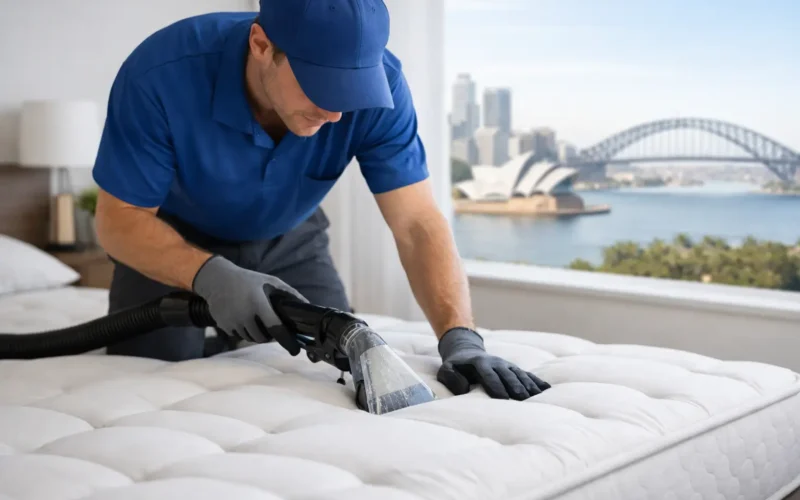
A mattress can look tidy while holding the things you would rather not sleep on: body oils, sweat, shed skin, dust, pet hair and everyday allergens. The best mattress cleaning services do more than freshen the surface. They use the right process for the mattress construction, remove embedded soil where possible and leave the bed hygienic, properly treated and ready to dry.
For Sydney households, professional mattress cleaning is especially useful after illness, allergy flare-ups, a spill, an accident, a move, or when a mattress has simply had years of regular use. It is also a practical part of maintaining a healthy sleeping environment for children, tenants, guests and anyone with asthma or sensitivities.
What professional mattress cleaning should achieve
A qualified technician starts by assessing the mattress rather than applying one method to every bed. Materials, stains, age, ventilation and the condition of the fabric all affect the right approach. A pillow-top mattress, for example, needs careful moisture control, while urine staining or pet accidents may require targeted odour and stain treatment.
The goal is to remove dry soil and contaminants, treat marks where appropriate, improve freshness and reduce the build-up that ordinary vacuuming cannot reach. A professional service should also explain realistic outcomes. Long-standing stains, colour loss from harsh home products and damage already set into the fabric may not disappear completely, but they can often be significantly improved.
Mattress cleaning is not a substitute for replacing a mattress that is badly sagging, mould-affected or structurally worn out. It is a maintenance service that helps protect a mattress that is otherwise in sound condition.
How to identify the best mattress cleaning services
The right provider should be able to clearly explain how they clean, what they use and how they manage drying. Vague promises of a “deep clean” are not enough when the item being cleaned is where you sleep every night.
Look for experienced, trained technicians who work with modern extraction and upholstery-cleaning equipment. Training aligned with recognised Australian cleaning standards is a useful sign that the technician understands fibre types, moisture management, stain treatment and safe chemical use. This matters because too much water can lead to slow drying and unpleasant odours, while unsuitable products can leave residue or affect delicate fabrics.
A dependable provider will ask sensible questions before arriving. They may want to know the mattress size, the type of issue, how long a stain has been present, whether pets are involved and whether there are health concerns in the home. These details allow them to prepare the correct treatment rather than guessing on site.
Service reliability matters too. Choose a company that provides clear booking communication, arrives with professional equipment and gives practical aftercare advice. For rental properties, holiday accommodation, offices with first-aid rooms and property managers coordinating multiple rooms, this level of organisation helps keep maintenance straightforward.
Ask about the cleaning process
A professional mattress clean commonly involves inspection, dry soil removal, pre-treatment of stains or odours, controlled cleaning and extraction, then drying guidance. The exact sequence depends on the mattress and the problem being treated.
Ask whether the process is designed to minimise moisture, particularly for thick pillow-top or memory-foam styles. You should also ask whether the technician can treat common concerns such as sweat marks, food and drink spills, dust, pet hair, urine odours or general body-oil build-up. A good operator will avoid guaranteeing the removal of every stain and will instead set clear expectations based on what they see.
Check experience beyond mattresses
Mattresses are soft furnishings, so experience with upholstery, rugs and fabric protection is relevant. Technicians who routinely assess fabrics and manage staining across different surfaces are better placed to make careful decisions on a mattress.
This broader knowledge is particularly helpful when a bedroom needs more than one item cleaned. Upholstered bedheads, fabric bases, rugs, curtains and nearby carpet can collect the same dust and allergens. Coordinating these services can make the room feel noticeably fresher and reduce the chance of transferring soil back onto a newly cleaned mattress.
When should you have a mattress professionally cleaned?
For most households, a professional mattress clean every six to twelve months is a sensible maintenance interval. The right frequency depends on how the mattress is used and who sleeps on it. Homes with pets, young children, allergy sufferers or frequent spills may benefit from more regular cleaning.
There are also clear moments when it is worth booking sooner. These include a recent accident, visible staining, a lingering odour, pest or dust concerns, illness in the household, preparing a rental for new occupants or moving a mattress into a new home. If a mattress has been in storage, cleaning before use can help remove accumulated dust and stale smells.
A mattress protector is valuable between professional cleans, but it does not remove the need for maintenance. Protectors can be washed regularly and reduce direct contact with the mattress surface. They are most effective when paired with routine vacuuming, airing the room and prompt attention to spills.
Why DIY methods can create problems
Spot-cleaning a small fresh mark can be appropriate, provided you use a mild product recommended for the material and avoid soaking the mattress. The risk begins when home cleaning turns into heavy wetting, aggressive scrubbing or mixing several chemicals together.
Mattresses are difficult to dry all the way through. Excess moisture can travel into padding and remain there long after the surface feels dry. This can create musty odours and, in poorly ventilated conditions, contribute to mould growth. Strong products may also bleach fabric, leave a sticky residue that attracts more soil or irritate sensitive skin.
Bicarbonate of soda may help absorb some surface odours after it has been left and thoroughly vacuumed, but it will not extract embedded contaminants or resolve a deeply affected stain. Steam also is not automatically suitable for every mattress. Heat and moisture need to be used carefully, particularly on foam, adhesive layers and delicate covers.
Prepare your mattress for a better result
Before the technician arrives, remove sheets, blankets, mattress protectors and loose items from the bed. If possible, clear a path to the room and ensure there is reasonable access around the bed. Mention any known stains, odours or previous products that have been applied. That information can affect the treatment method.
After cleaning, follow the drying advice provided. Keep the room ventilated, use fans or air conditioning if recommended and avoid remaking the bed until the mattress is dry. Drying time varies with mattress thickness, the amount of treatment required, humidity and airflow. Rushing this stage is one of the easiest ways to undo good cleaning work.
A healthier bedroom starts with the surfaces you use most
Carpets and lounge suites often receive attention because the soil is visible, but mattresses deserve the same care. They are used for hours every day and can quietly collect the residue of normal life. Regular professional maintenance supports a cleaner, more comfortable bedroom and helps extend the usable life of a well-made mattress.
Sydneywide Carpet Cleaning provides trained, on-site mattress cleaning for homes, rental properties and commercial spaces across metropolitan Sydney. With more than 15 years of soft furnishing care experience, the focus is on appropriate treatment, controlled cleaning and practical results.
If your mattress has lost its freshness, has a stain that needs careful attention or is simply due for maintenance, arrange a professional assessment before the issue becomes harder to manage. A clean, dry mattress is a simple improvement that you notice every night.