

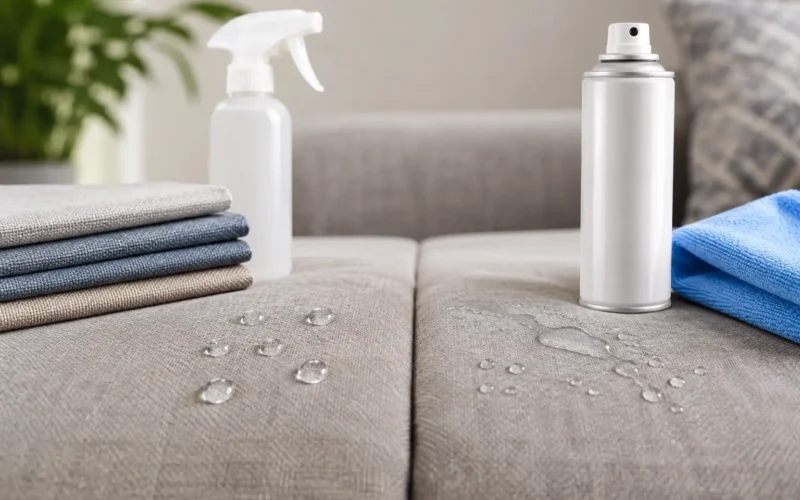
A red wine spill on a light lounge, muddy paw prints across the carpet, or a child’s juice cup tipped on a dining chair can turn a clean home into a stressful clean-up job. When comparing fabric protection vs Scotchgard, the key question is not simply which name is better. It is whether the chosen treatment suits the material, has been applied correctly, and is supported by regular professional cleaning.
For Sydney households, rental properties and commercial spaces, fabric protection can make everyday maintenance easier and help soft furnishings retain a cleaner appearance. It is not a force field against every spill, though. Understanding what it does – and what it does not do – helps you make a practical decision for carpets, upholstery, rugs and curtains.
Fabric protection vs Scotchgard: the main difference
Fabric protection is a broad term for treatments applied to fibres to help repel liquids, resist soiling and reduce the chance of stains bonding to the fabric. Professional-grade protectors may be used on carpet, upholstery, rugs, fabric dining chairs and some other soft furnishings, depending on their construction and care requirements.
Scotchgard is a well-known brand name associated with fabric and carpet protector products. In everyday conversation, people often use “Scotchgard” to describe any stain-protection treatment, much like using a brand name as a general term. However, Scotchgard is one product range, while fabric protection describes the wider category of treatments and services.
The practical difference is therefore less about a simple brand-versus-brand contest and more about product suitability and application. A trained technician assesses the fibre type, existing condition, cleaning method and intended use before selecting an appropriate protector. The right professional fabric protection product may be Scotchgard-branded or another suitable commercial formulation.
What a fabric protector actually does
A quality protector coats or bonds with individual fibres, creating a barrier that slows absorption. When a spill lands on treated fabric, it is more likely to sit near the surface for longer rather than immediately soaking in. This gives you valuable time to blot the area before the liquid becomes a harder-to-remove stain.
Protection can also reduce dry soil build-up. Dirt is less likely to grip tightly to protected fibres, so routine vacuuming and professional cleaning can be more effective. On upholstery, this can help maintain the fabric’s colour and texture, particularly on frequently used lounges, armchairs and dining seating.
That said, protection does not make fabric stain-proof or eliminate the need for cleaning. Oily substances, dyes, pet accidents, ink, food colouring and repeated spills can still cause permanent marks. A spill left to dry, rubbed into the fibres or treated with the wrong household chemical may still be difficult to remove, even on protected material.
Is Scotchgard suitable for every fabric?
No fabric protector should be applied automatically to every item. Natural fibres, synthetic fibres, blends, delicate fabrics, silk, viscose, velvet and loose-weave upholstery can all respond differently to moisture and cleaning solutions. Some materials have manufacturer-applied finishes, while others need specialist assessment before any product is used.
This is where professional knowledge matters. Applying a product that is not designed for a particular fabric can affect the feel, appearance or breathability of the material. In some cases, it may not provide the expected level of protection at all.
Before protection is applied, the fabric should be inspected for pre-existing stains, wear, colour loss and fibre damage. A technician should also consider the manufacturer’s care instructions and perform appropriate testing where required. This process is especially worthwhile for premium upholstery, wool carpets, delicate rugs and commercial furnishings that receive heavy use.
Professional application versus DIY sprays
DIY protector sprays can be useful for small, suitable items when used precisely according to the label. They may offer a degree of short-term water repellency, but results often vary because even coverage, correct dosage and proper drying conditions are difficult to achieve at home.
Professional application is generally more consistent. The fabric is cleaned first, then the protector is applied evenly using equipment suited to the job. This helps the treatment reach the fibres without over-wetting the material or leaving patchy coverage. Proper drying is also important, as traffic or use too soon can reduce the effectiveness of the application.
For a large lounge suite, carpeted home, rental exit clean, office fit-out or furnished property, professional protection is usually the more reliable option. It is particularly helpful where appearance, hygiene and long-term asset care matter.
When fabric protection is worth considering
Fabric protection is most valuable when it is applied to clean, well-maintained furnishings before they face regular wear. New carpets and upholstery are obvious candidates, but clean older items can also benefit if the fibres are still in sound condition.
Homes with young children or pets often see the clearest practical benefit. Spills and tracked-in dirt are part of daily life, and a protector can make quick clean-up more manageable. Light-coloured lounges, dining chairs, wool carpet and fabric bedheads are also sensible choices because marks tend to show quickly on these surfaces.
Landlords and property managers may choose protection to support easier upkeep between tenancies, particularly in furnished homes. In commercial settings, treated seating, carpet tiles and waiting-area furniture can be easier to maintain where there is regular foot traffic, food, drinks or client use.
It may be less worthwhile for heavily worn fabric that is already thinning, faded or permanently stained. Protection can help with future spills, but it cannot restore damaged fibres or reverse long-standing discolouration. In those cases, professional cleaning and an honest condition assessment should come first.
How long does protection last?
There is no single timeframe because durability depends on the material, the amount of use, how often it is vacuumed or cleaned, and the type of soil it encounters. A rarely used occasional chair will generally retain protection longer than a family lounge used every day by people and pets.
Professional hot water extraction, spot treatment, friction from use and exposure to cleaning agents can gradually reduce the protective barrier. Reapplying protection after a professional clean is often a sensible part of an ongoing maintenance plan, especially for high-use carpets and upholstery.
Avoid judging performance by whether water beads dramatically on the surface. Repellency can be one sign of treatment, but the more useful result is extra time to deal with a spill and less dirt becoming embedded in the fibres.
Getting the best result after a spill
Fast action matters more than most people realise. Blot the spill with a clean, white absorbent cloth or paper towel. Work from the outside of the affected area towards the centre, and avoid scrubbing, which can spread the stain and damage the pile or fabric texture.
Use only a small amount of clean water if appropriate for the material, and do not soak the area. Household stain removers, laundry products and dishwashing liquids can leave residue, strip protection or cause colour changes. If the spill contains wine, coffee, urine, oil, ink or a strong dye, arranging professional treatment promptly gives the best chance of removal.
Routine vacuuming is equally important. Dry soil is abrasive, and letting it build up can wear fibres down over time. Protection works best as part of a wider care routine, not as a replacement for it.
Choosing the right protection for your furnishings
Rather than asking only for Scotchgard, ask whether a protector is suitable for your specific carpet or upholstery and how it will be applied. A professional should be able to explain the condition of the item, any limitations of the treatment, drying expectations and the right approach to future spill response.
Sydneywide Carpet Cleaning applies a careful, fabric-specific approach to cleaning and protection, with trained technicians and equipment suited to residential and commercial soft furnishings. The aim is practical: cleaner-looking fibres, easier maintenance and more time to respond when life inevitably creates a spill.
A well-chosen fabric protector will not stop every accident, but it can give your carpet or upholstery a better chance of staying clean, presentable and serviceable for longer.