

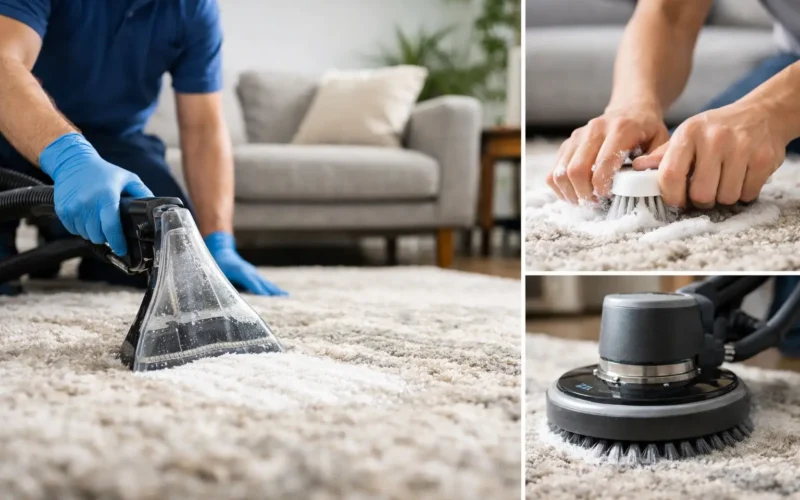
A rug can look fine at a glance, then tell a different story when you step on it barefoot. Grit in the pile, dull patches in walkways, pet odours that linger after vacuuming, and marks that keep coming back are all signs the rug needs more than a quick once-over. For rug cleaning Sydney homes and businesses can rely on, the real goal is not just a better appearance. It is removing embedded soil, protecting fibres, and improving the hygiene of the space around it.
Rugs cop more wear than many people realise. They sit in entry points, under dining tables, beside beds, in living rooms, and in offices where chairs and foot traffic grind soil deeper into the fibres. Even in a tidy home, fine dust, food particles, oils, allergens, and moisture can build up over time. That build-up affects both how the rug looks and how long it lasts.
Why proper rug cleaning matters
A quality rug is not just another soft surface. It is often a significant furnishing that adds warmth, comfort, and style to a room. Some rugs are made for heavy use, while others are decorative and more delicate. In both cases, the wrong cleaning approach can flatten the pile, leave residues behind, cause colour bleed, or damage the backing.
That is why proper cleaning starts with identifying what the rug is made from and what it has been exposed to. Wool, cotton, synthetics, viscose, silk blends, and hand-finished rugs all respond differently to moisture, agitation, and cleaning products. A method that works well on one rug can be too aggressive for another.
There is also the health side of the job. Rugs trap airborne dust, pet dander, tracked-in soil, and sometimes bacteria from spills or accidents. Regular maintenance helps, but periodic professional cleaning removes what household equipment usually leaves behind. For families with pets, children, or allergy concerns, that can make a noticeable difference to the living environment.
What makes rug cleaning in Sydney different
Sydney conditions bring a few challenges that affect rugs more than people expect. Sand and fine grit are common in coastal and suburban areas, and those particles act like abrasive material inside the pile. Humidity can also contribute to musty smells, especially if a rug has absorbed moisture from spills, damp footwear, or poor ventilation.
In busy households, rugs often deal with a mix of foot traffic, food spills, pet hair, and general wear. In commercial settings, the issue is usually volume – constant use, tracked-in dirt, and visible traffic lanes. The rug may still look serviceable from a distance, but the fibres can be holding a large amount of dry soil.
That is one reason professional rug cleaning Sydney property owners book is often less about dramatic stain removal and more about restoring freshness, texture, and fibre condition before long-term wear sets in.
How professional rug cleaning usually works
A proper rug cleaning process is not guesswork. It begins with inspection. This step matters because the cleaner needs to assess fibre type, dye stability, construction, soiling level, staining, and any risks such as shrinkage, fringe damage, or previous DIY treatment.
From there, the rug is treated according to what it needs, not according to a one-size-fits-all system. Heavily soiled synthetic rugs can often handle stronger soil extraction methods. Wool rugs need more controlled moisture, suitable chemistry, and careful handling to avoid fibre distortion. Delicate rugs may require low-moisture or more specialised treatment.
Pre-treatment is then used to loosen embedded soil and target spots. This is followed by the main cleaning stage, which may involve hot water extraction, low-moisture cleaning, or another fibre-appropriate method. The important point is that the cleaning should remove soil and residues effectively without over-wetting the rug.
Drying is just as important as cleaning. If moisture is left sitting too long, it can lead to odours, browning, dye movement, or problems in the rug backing. Professional equipment and trained handling help reduce that risk and support a better overall result.
Common rug problems and what they really need
Not every rug issue responds the same way. General dullness and matted traffic areas usually point to embedded dry soil and fibre compression. In those cases, a thorough clean can often lift the appearance significantly, although permanent wear will not disappear.
Food and drink spills are another common problem. The earlier they are treated, the better the chance of full removal. Once a spill has been scrubbed repeatedly with supermarket products, the stain can become harder to manage. Sometimes the stain itself is only part of the problem. Sticky residue left behind can attract more dirt and make the area look worse again after a short time.
Pet odours need a more careful approach. Surface cleaning may improve the smell briefly, but if urine has reached the backing or underlay, the issue can persist. Proper treatment depends on the extent of contamination and the rug material. This is very much an it-depends situation, and it is one reason professional assessment is worth having.
Mould or musty odours should never be ignored. If a rug has been exposed to water or stored in damp conditions, cleaning may be only one part of the solution. The rug needs to be treated and dried properly, and the moisture source needs to be addressed as well.
When DIY is enough and when it is not
Routine vacuuming is always worthwhile. It removes loose soil before it settles deeper into the pile, and it helps maintain the rug between professional cleans. Prompt blotting of fresh spills also makes sense. Use a clean cloth, avoid over-wetting, and resist the urge to scrub aggressively.
Where DIY usually falls short is deep soil removal, stain treatment on unknown fibres, and odour issues. Hiring a machine or using strong off-the-shelf products can create new problems, especially on wool or delicate rugs. Over-wetting, detergent residue, and uneven cleaning are common outcomes.
If the rug has visible staining, lingering odours, pet accidents, heavy traffic wear, or valuable fibres, professional care is the safer option. The same applies if you are preparing a property for inspection, end-of-lease handover, or regular maintenance in a commercial setting where presentation matters.
How often should rugs be professionally cleaned?
There is no single rule that suits every home or workplace. A rug in a formal sitting room may need attention far less often than one in a family room with children and pets. As a practical guide, high-use rugs generally benefit from more frequent professional cleaning, while low-traffic rugs can often go longer between services.
Homes with pets usually need a tighter maintenance schedule, particularly if the rug is used as a favourite sleeping spot or sits near an entry. Commercial rugs and rugs in common areas also need more regular care because soil builds up faster and appearance declines more quickly.
The key is not waiting until the rug looks obviously dirty. By that point, soil has often been grinding through the fibres for some time.
Choosing a rug cleaning service
Experience matters with rugs because the technician needs to make sound decisions before any cleaning starts. Training also matters, especially when it is backed by recognised standards rather than trial and error. A professional service should be able to explain the method being recommended, the likely outcome, and any limitations based on the rug’s condition.
Modern equipment is another practical advantage. Better extraction, controlled moisture use, and suitable treatment options all contribute to cleaner results and safer handling. For homes, landlords, property managers, and commercial clients, reliability matters too. You want a team that turns up on time, communicates clearly, and treats the rug as an asset worth protecting.
Sydneywide Carpet Cleaning works with households and businesses across the metro area, with trained staff and equipment suited to everything from routine maintenance to more complex soft furnishing care.
A cleaner rug does more than improve the room
People usually notice the visual improvement first. Colours look clearer, the pile feels fresher underfoot, and the room feels better kept. What matters just as much is what has been removed – grit, dust, residues, allergens, and odours that build up slowly and often go unnoticed until they are gone.
If your rug has lost its freshness, holds onto smells, or simply feels tired no matter how often you vacuum, that is usually a sign it needs more than surface cleaning. The right treatment can help protect the fibres, improve hygiene, and give the whole room a lift without replacing a rug that still has plenty of life left in it.