

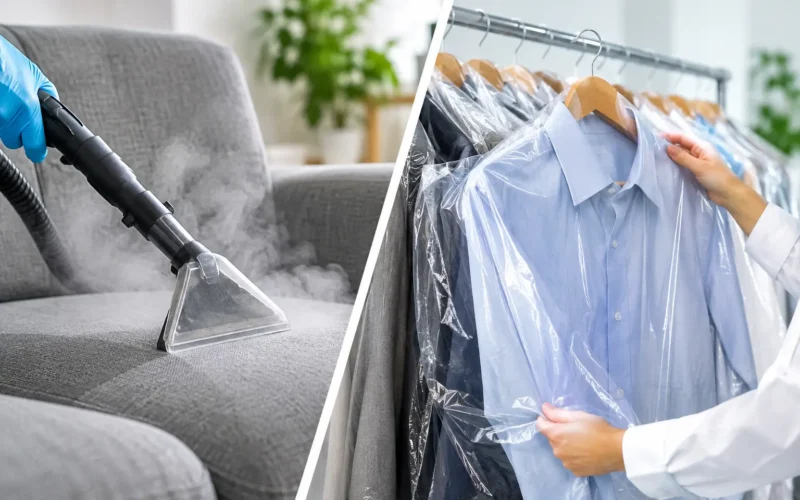
A lounge can look clean while holding fine dust, pet hair, body oils and old spills deep in its fibres. That is why the choice between steam cleaning versus dry cleaning is more than a question of how quickly the surface feels dry. The right method depends on the material, the level of soiling, the condition of the item and how soon you need to use the room again.
For carpets, upholstery, mattresses and rugs, a professional assessment matters. Fibre type, backing, dyes, previous treatments and moisture sensitivity all affect which process will deliver a thorough result without creating avoidable risk.
Steam cleaning versus dry cleaning: the real difference
In professional carpet care, steam cleaning usually refers to hot water extraction. Despite the name, the process does not rely on clouds of steam alone. A trained technician applies a cleaning solution, works on problem areas where needed, then uses hot water and powerful extraction to flush loosened soil from the fibres. The machine removes the water, cleaning solution and suspended grime together.
Dry cleaning, in the context of carpets and soft furnishings, usually means a low-moisture cleaning method. It may use an absorbent compound, specialised pads or encapsulation products that surround soil particles as they dry. The residue is then vacuumed away. This is different from traditional garment dry cleaning with solvents.
Both methods have a place. Hot water extraction is generally selected for a deeper restorative clean, while low-moisture methods are often useful where rapid drying and minimal disruption are the priority.
When steam cleaning is the better option
Steam cleaning is well suited to carpets and upholstery that have had regular use and need more than a surface refresh. Family homes with children and pets, rental properties between tenancies, and workplaces with heavy foot traffic often benefit from the flushing action of hot water extraction.
The method can remove embedded dry soil that ordinary vacuuming cannot reach. It is also effective for tackling tracked-in dirt, food spills, pet-related accidents and the dull, flattened appearance that develops in high-use walkways. Because the dirty water is extracted from the fabric or carpet, the process can produce a noticeable improvement in freshness and appearance.
For allergy-conscious households, thorough extraction can be particularly valuable. Carpets and upholstered furniture act as filters, collecting dust, pollen, skin cells and other airborne particles over time. A professional clean helps reduce this built-up material, supporting a cleaner indoor environment.
Steam cleaning is also commonly chosen for mattresses and fabric lounges, where body oils and everyday use gradually affect hygiene and comfort. These items need controlled moisture, correct products and strong extraction. Too much water or poor drying can cause problems, so the equipment and operator experience are as important as the method itself.
Drying time is the trade-off
The main consideration with hot water extraction is drying time. A carpet should feel damp rather than saturated after professional cleaning, but it will not usually be ready for immediate use. Drying can vary according to fibre type, pile depth, airflow, humidity, weather and the level of soil being removed.
Good extraction shortens drying time considerably. Opening windows when conditions allow, using air conditioning or fans, and keeping foot traffic to a minimum will also help. In most cases, planning the clean for a time when the area can be left clear is sensible.
When dry cleaning is the better option
Low-moisture dry cleaning is often the practical choice for commercial spaces, offices, retail areas and households that need carpets back in use quickly. Because it uses far less water, the drying period is typically much shorter than hot water extraction.
It can be effective for routine maintenance cleaning, particularly when carpets are lightly to moderately soiled. Encapsulation cleaning, for example, can lift surface soil and help maintain the appearance of commercial carpet between deeper restorative cleans. It is also useful where access, operating hours or building requirements make extended drying impractical.
Some delicate fabrics, colour-sensitive textiles and moisture-sensitive materials may also require a low-moisture approach. This is never a decision to make based on appearance alone. A pre-inspection and colour test help determine whether the material can tolerate water, heat or particular cleaning agents.
Low moisture does not always mean deep cleaning
Dry cleaning is not automatically the stronger choice simply because it is convenient. On heavily soiled carpet, old stains, greasy traffic lanes or pet contamination, a low-moisture process may not provide the same flushing action as hot water extraction. It can improve the surface, but it may leave deeper contaminants behind if the carpet needs a more intensive clean.
That does not make dry cleaning a lesser service. It means it should be matched to the job. Routine maintenance and rapid turnaround are genuine advantages. Deep restoration is where steam cleaning often has the edge.
The material matters as much as the method
Not every carpet or furnishing should be treated the same way. Synthetic carpets such as nylon and polypropylene can often tolerate hot water extraction well when cleaned correctly. Wool, viscose, silk blends, natural-fibre rugs and certain upholstery fabrics require more caution.
Wool is durable, but it can be sensitive to excessive heat, high alkalinity and over-wetting. Viscose can suffer texture changes, browning or water marks if handled incorrectly. Some rugs have unstable dyes or delicate foundations that make on-site cleaning unsuitable. Leather requires an entirely different cleaning and conditioning process.
A qualified technician checks for these risks before beginning. This includes identifying the fibre where possible, inspecting stains, testing dyes and assessing whether the backing, cushioning or filling has been affected by moisture. The safest cleaning method is not always the quickest one, and the deepest clean is not always the right approach for a delicate item.
Stains, odours and water damage need a different response
Fresh spills respond better than old stains. Blot liquid promptly with a clean white cloth, working from the outside towards the centre. Avoid scrubbing, as this can spread the spill and damage the pile. Avoid soaking the area or applying supermarket chemicals without checking whether they are suitable for the fibre.
For pet urine, the visible mark is only part of the issue. Contamination can travel through the carpet into the backing and underlay, leaving an odour that returns when humidity rises. The appropriate treatment may involve targeted flushing, odour treatment and, in severe cases, work below the carpet surface. A quick dry clean may improve appearance without fully addressing the source.
Flooded carpet is different again. Water extraction needs to happen quickly to limit damage and reduce the risk of mould growth. The correct response depends on where the water came from, how long it has been present and whether the carpet, underlay or structure is contaminated. This is a restoration job, not standard carpet cleaning.
How to choose the right cleaning method
Start with the result you need. If your carpet is heavily used, visibly dull, stained or carrying odours, hot water extraction may be the more appropriate choice. If the carpet is maintained regularly and needs to be usable soon after cleaning, low-moisture dry cleaning may suit better.
Consider the surface as well. Delicate upholstery, fine rugs and natural fibres need method selection based on testing, not assumptions. For commercial premises, a maintenance schedule can combine both approaches: low-moisture cleaning for regular presentation and periodic extraction cleaning to manage built-up soil.
The quality of the work also comes down to preparation. Thorough vacuuming, stain treatment, suitable cleaning solutions, controlled moisture and powerful extraction make a meaningful difference. A method is only as good as the way it is applied.
Sydneywide Carpet Cleaning uses trained technicians and current equipment to assess carpets, rugs and upholstery before recommending a suitable process. The aim is practical: achieve a high-standard clean while protecting the condition and lifespan of the item.
Keep results looking better for longer
Regular vacuuming removes the dry grit that cuts into carpet fibres underfoot. Entry mats reduce the amount of soil carried inside, while prompt attention to spills limits staining. Homes with pets, young children or frequent visitors often need professional cleaning more regularly than quiet households.
For offices and shared spaces, maintenance should reflect actual foot traffic rather than a fixed calendar date. Reception areas, corridors and work zones generally soil faster than meeting rooms or low-use offices. Addressing these areas before they look heavily soiled helps preserve the carpet and maintain a professional presentation.
A clean carpet should not simply look brighter on the day. The right method should leave it fresher, properly cared for and ready for the way your home or workplace is actually used.